About Artesian Cellars & Vineyard
In the Press: Named Nevada’s best winery by Tasting Table in its July 2026 feature on the best winery in every US state.
Artesian Cellars & Vineyard is a strong Pahrump stop for travelers who want more than a quick tasting. The winery combines a comfortable tasting room, food and a broader story about grape growing in Nevada, making it a particularly useful place to learn how the state's wine industry is developing. Its work with vineyards in both northern and southern Nevada gives visitors something specific to ask about beyond the standard question of what is pouring that day. One of the best ways to approach a visit is to ask which current wines include Nevada-grown fruit.
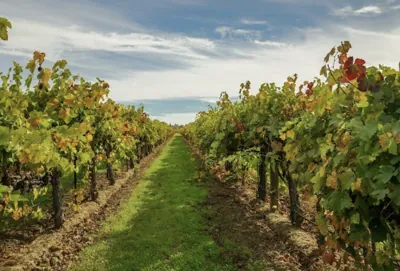
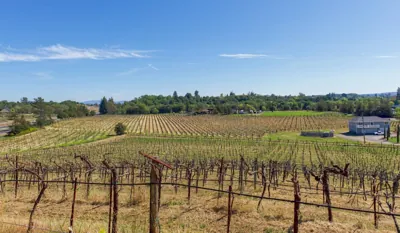
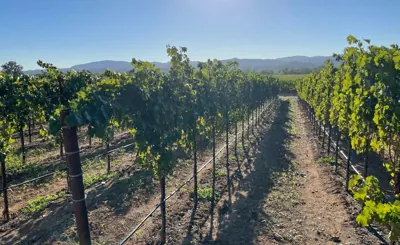
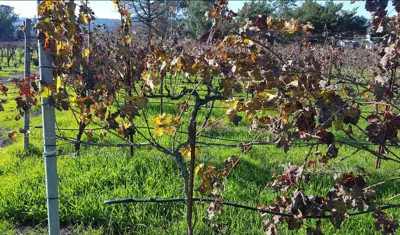
Artesian has worked with a range of varieties and has been involved with vineyard owners around the state, helping support the difficult work of growing wine grapes in a desert climate. Heat, water management and site selection all make Nevada viticulture different from better-known regions, and tasting a local bottling can turn that agricultural story into something tangible in the glass. The Pahrump tasting room also works well as a longer itinerary stop because food is available. That makes Artesian a convenient place to build in lunch or dinner rather than trying to stack several tastings without a break.
Reservations are strongly suggested, especially on weekends or when dining is part of the plan. Travelers coming from Las Vegas will appreciate knowing their table and tasting stop are organized before making the drive. The atmosphere is approachable enough for casual visitors, but there is enough production and vineyard context to keep more serious wine travelers engaged. Instead of rushing through a flight, leave time to ask about the growers, the current vintage and which bottles best express Nevada fruit. Artesian fits naturally into a Pahrump wine day alongside Charleston Peak and the area's smaller craft producers, but it stands out for the way it connects the tasting-room experience to grape growing around the state. For visitors curious about what "Nevada wine" actually means, this is one of the more informative places to start.