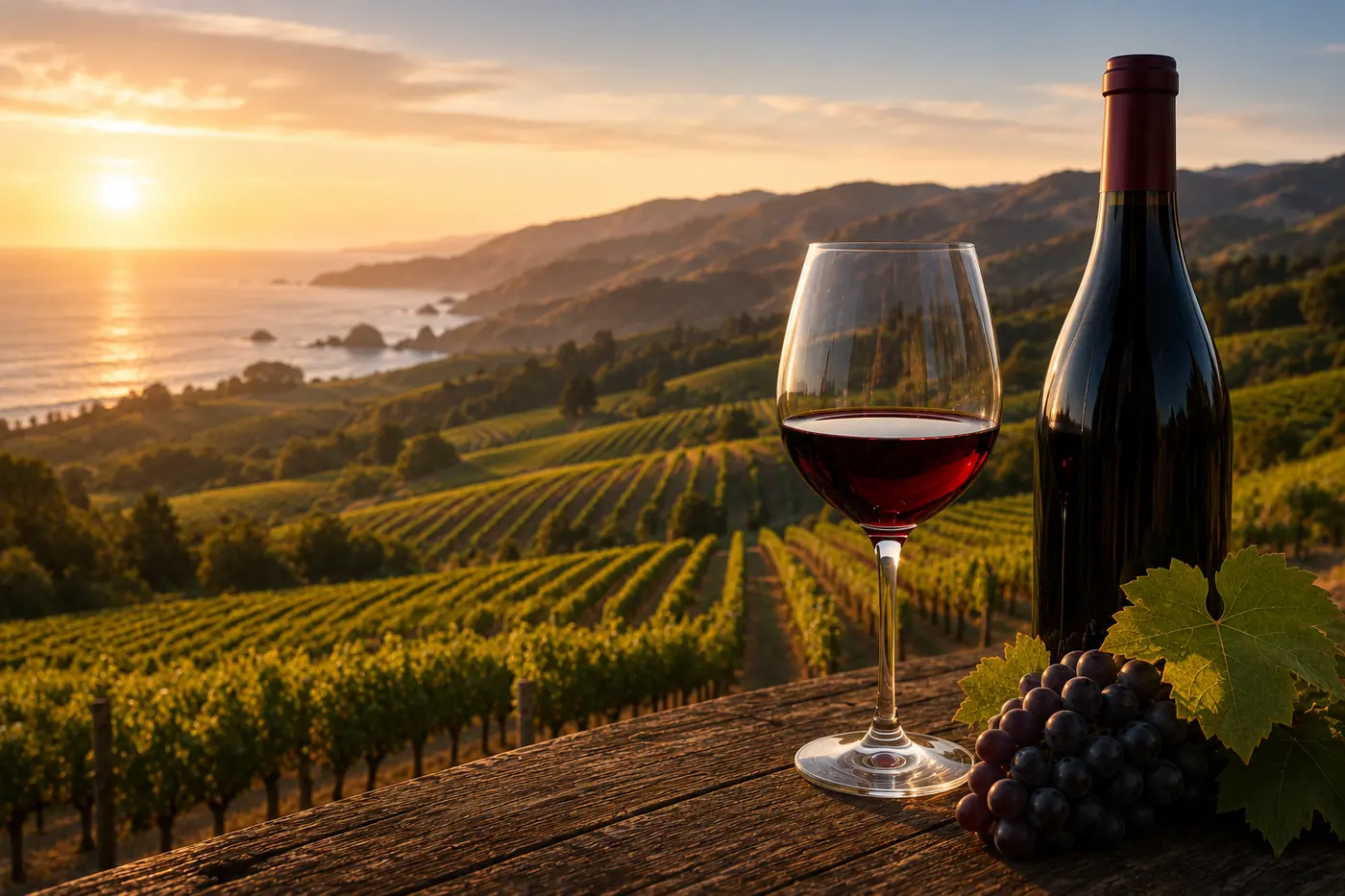
California Pinot Noir is not one thing. The grape that defines Burgundy expresses itself across California's dramatically varied coastal topography in ways that have almost nothing in common, except the thin skin, the fragility, and the extraordinary capacity for beauty when the site is right.
Understanding California Pinot Noir means understanding the five regions that have established themselves as the most reliable sources of world-class Pinot. Here's how they compare.
The Five Regions
Russian River Valley, The Fog Belt
The Russian River Valley is where California Pinot Noir built its international reputation. The appellation's defining feature is the river gap: the Russian River valley cuts through the coastal hills, allowing Pacific fog to flow inland each evening and cool overnight temperatures to the 40s°F, even when summer afternoons reach 75-80°F. This extreme diurnal temperature variation, warm days, cold nights, preserves natural acidity and aromatic intensity in the berry.
Go deeper: our full Russian River Valley Pinot Noir guide →
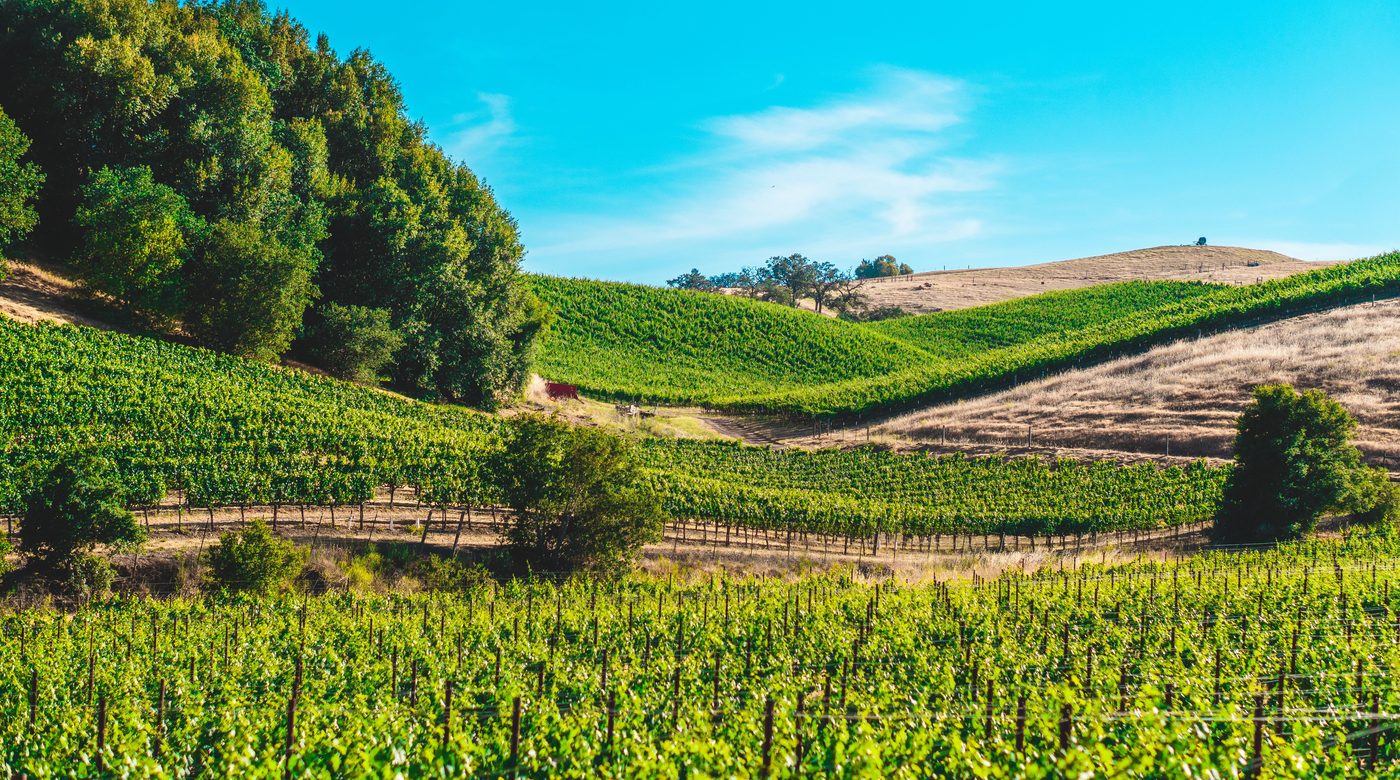
The Goldridge sandy loam soil is equally important: well-drained, infertile, and mineral-rich in ways that stress the vines productively, reducing berry size and concentrating flavor.
Russian River Valley Pinot Noir tends toward cherry, raspberry, cola, and earth with a silky texture and vibrant acidity. The style is richer than Sonoma Coast but more precise than Carneros.
Sonoma Coast, The Extreme Maritime
The "True Sonoma Coast", the extreme western edge of Sonoma County, within a few miles of the Pacific Ocean, is California's most demanding Pinot Noir growing environment. Fog, wind, and cold are not seasonal visitors here; they're structural features of the climate. Harvest can extend into November. Yields are tiny. The wines take years to open up.
Go deeper: our full Sonoma County Pinot Noir guide →
When they do, they reveal something different from any other California Pinot: a haunting mineral quality, saline precision, and a lightness of body that belies extraordinary concentration. These are wines that age for 15-20 years and often improve dramatically past the decade mark.
Carneros, The Bay Influence
Carneros straddles the Napa-Sonoma county line at the southern end of both valleys, where the daily influence of San Pablo Bay moderates temperatures in a different way than Pacific fog. The bay wind, persistent, cool, and reliable, comes from a different direction than Sonoma Coast's fog, creating conditions that are ideal for both Pinot Noir and Chardonnay
Go deeper: our full Carneros Pinot Noir guide →
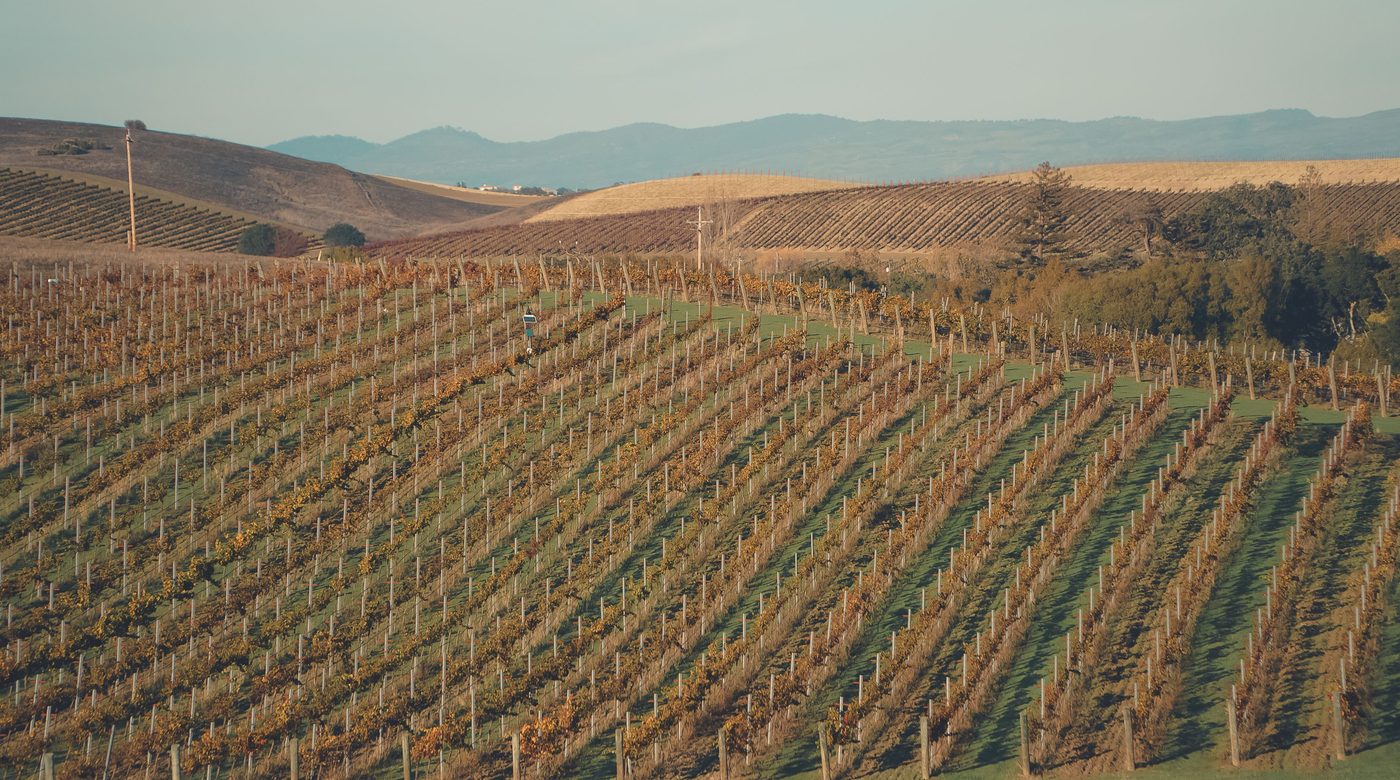
Carneros Pinot Noir is typically lighter in body than Russian River Valley, with more pronounced earthiness and a slightly herbal quality from the cooler, windier growing conditions. At their best, the wines have a Burgundian delicacy that the richer Russian River styles don't always achieve.
Anderson Valley, The Mendocino Outlier
Anderson Valley, tucked into a river canyon in Mendocino County, is California's most geographically isolated Pinot Noir region, and one of its most distinctive. The valley runs east-west, meaning the marine layer from the Pacific flows through it continuously, creating a climate more similar to Alsace or Champagne than to Burgundy.
Go deeper: our full Anderson Valley Pinot Noir guide →
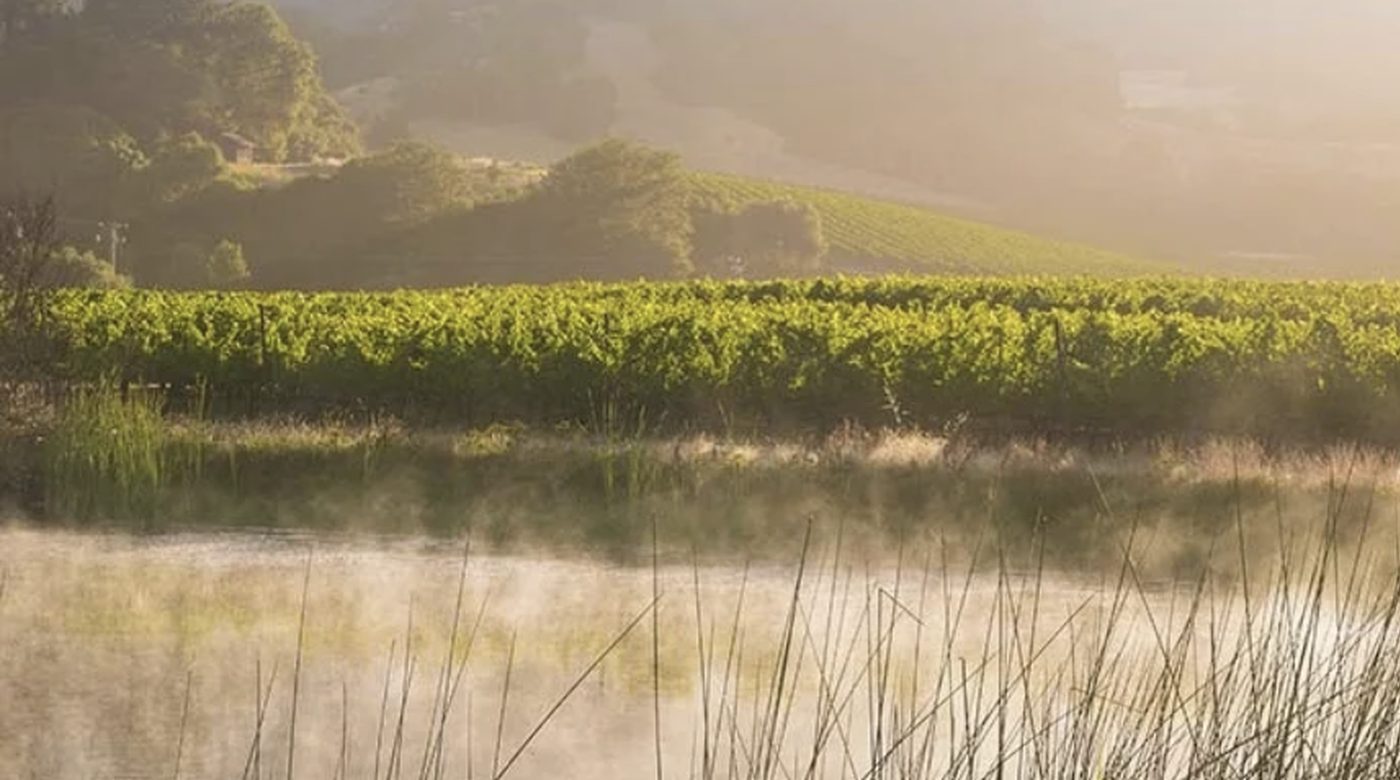
Anderson Valley Pinot Noir tends toward spice, dried herb, rose petal, and orange peel rather than fresh fruit, a more aromatic, complex style that reflects the valley's unusual maritime influence. Roederer Estate produces the finest California Champagne-method sparkling wine here; Goldeneye and Lazy Creek are the most celebrated still Pinot producers.
Santa Barbara County, The Southern California Surprise
Santa Barbara County's wine country runs east-west, a transverse mountain range orientation unique in California, meaning Pacific marine air flows directly inland through the Santa Ynez and Santa Rita valleys rather than being blocked by north-south ridges. The result is growing conditions cool enough for world-class Pinot Noir at the same latitude as Los Angeles.
Go deeper: our full Santa Barbara Pinot Noir guide →
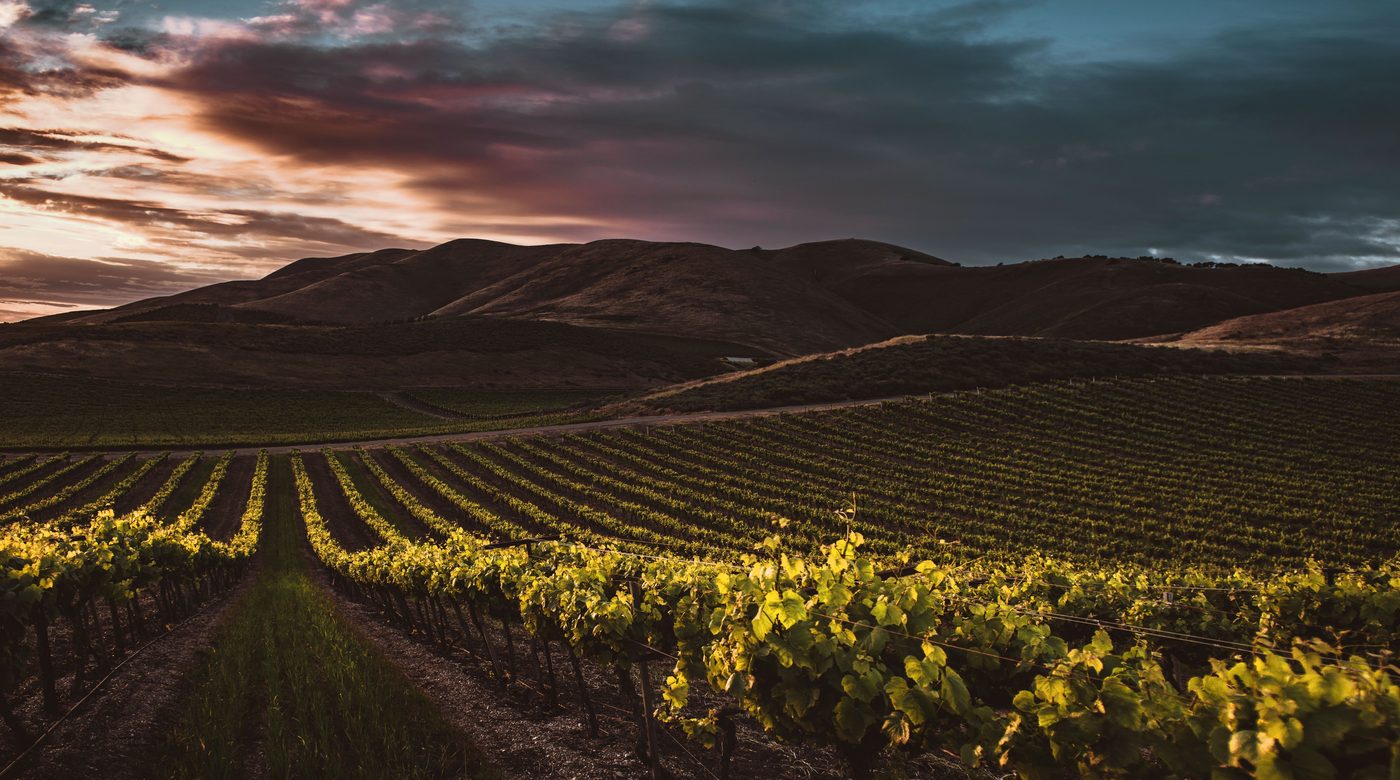
Sta. Rita Hills (the most important Santa Barbara Pinot Noir sub-appellation) produces wines of vibrant acidity, red fruit precision, and mineral intensity that rival Russian River Valley at their best. The soils are diatomaceous earth, fossilized sea organisms, that produce wines of extraordinary saline minerality.
How to Choose
If you want consistency, reliability, and immediate pleasure: Russian River Valley. If you want the most intellectually challenging California Pinot: Sonoma Coast. If you want Burgundian delicacy and food-friendly wines: Carneros or Anderson Valley. If you want the best value-per-quality ratio in California Pinot: Santa Barbara County's Sta. Rita Hills.
Whichever region calls to you, our catalog tracks 558 wineries tagged for Pinot Noir - filter to them in one click in the winery browser, then let the trip planner sequence your tastings with real drive times. And if the Oregon question nags at you, our Willamette Valley Pinot Noir guide makes the case for the other great American Pinot address.
The good news: all five regions are within Wino Notion's database. Search by region and filter by varietal to find the specific estates that match your Pinot Noir preferences.