In This Guide
Every year, millions of people visit Napa Valley and come home with the same two reactions: "That was the most beautiful place I've ever been" and "I spent how much?" If you're planning your first trip, this guide is designed to help you have the first experience without the second surprise.
Napa Valley is 35 miles long and 5 miles wide. It contains more Michelin-starred restaurants per capita than almost anywhere in America. Its Cabernet Sauvignon routinely sells for $200-$400 a bottle. And yet, with the right planning, you can have an extraordinary first visit for a reasonable amount of money, see the best the valley has to offer, and actually understand what makes it special.
Most Napa mistake lists run on anecdotes. This one runs on data: in July 2026 we verified tasting room hours, reservation policies, price tiers, and pet policies for all 684 Napa Valley wineries in the Wino Notion catalog. The patterns are unambiguous, and a few of them contradict what first-time visitors assume. Here is what the numbers say to avoid.
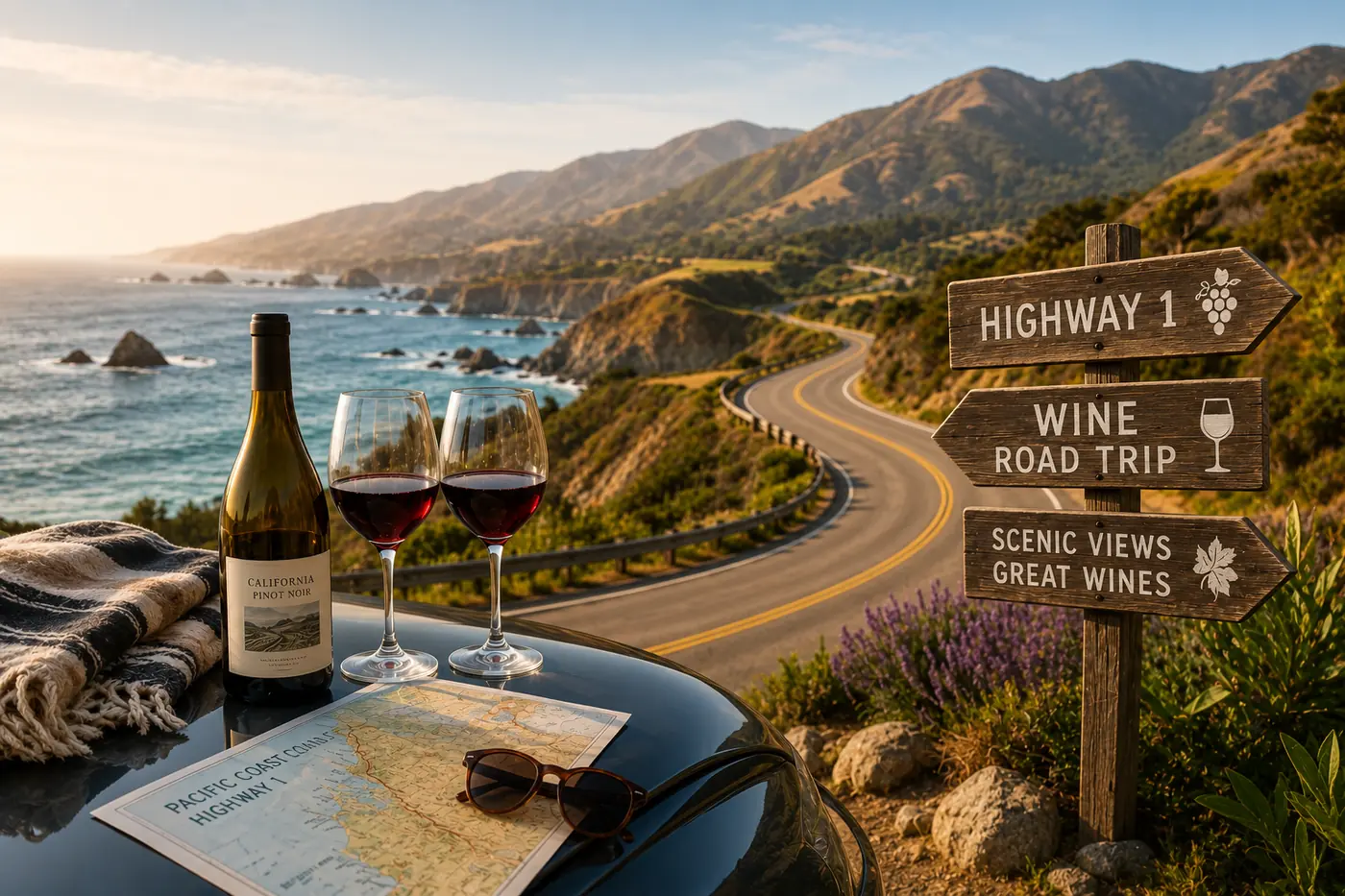
For three years, the greatest wine road trip in California was broken in the middle. The southern stretch of Highway 1 through Big Sur closed in January 2023, cutting the coastal route between Monterey wine country and Paso Robles and forcing the long inland detour on 101. In 2026 the road reopened - and with it, the drive that strings together two wine regions, ninety miles of Pacific cliffside, and exactly zero reasons to hurry. Here is how to run it, north to south, with verified winery data for both ends.
Leg one: Monterey and Carmel Valley
Start among the 27 Monterey-area wineries in our catalog, concentrated in Carmel Valley Village - a walkable cluster of tasting rooms that makes a perfect no-driving afternoon before the road trip proper. The area is unusually flexible for spontaneous travelers: 11 of the 27 are verified walk-in friendly, 12 welcome dogs, and cool-climate Pinot Noir and Chardonnay from the Santa Lucia Highlands are the local calling card. Browse the full set on our Monterey region page.
The middle: ninety miles of Big Sur, zero wineries, total magic
There are no wineries in Big Sur - and that is the point. This leg is about the drive itself: redwood canyons, the Bixby Bridge, cliffside pullouts, and roadside institutions where the wine lists punch far above their remoteness (the famous view restaurants of the coast have poured serious Champagne for decades). Practical notes for the reopened stretch: fuel up before entering, expect limited cell service, book any overnight far ahead - lodging is scarce and beloved - and never stop on the bridges for photos. Locals fought hard to get this road back; drive it like a guest.
Leg two: Paso Robles
The southern payoff is one of the largest wine destinations in America: 308 Paso Robles wineries in our catalog, and by our verified data the single most visitor-friendly major region in the state - 198 dog-friendly, 170 family-friendly, and 182 walk-in friendly, numbers Napa cannot approach. Rhone blends, Zinfandel, and Cabernet lead, tastings run meaningfully cheaper than the North Coast, and the vibe matches the road trip: unhurried and unpretentious. Start with our Paso Robles region page.
How to plan it
Three days is the comfortable minimum: a Carmel Valley afternoon, a full Big Sur day with a coastal overnight, and a Paso day (or two - the region earns it) before looping back inland on 101. Wine logistics favor the southbound direction: taste light in Monterey, buy in Paso at the end so bottles do not ride the coast in a hot trunk. Build the stops in our trip planner - it computes real drive times, which matter double on a road where 30 miles can take 90 minutes and you would not want it any other way.
Frequently Asked Questions
Is Highway 1 through Big Sur open in 2026?
Yes. The southern stretch that closed in January 2023 reopened in 2026, restoring the full coastal route between Monterey and the Paso Robles area. Check current conditions before traveling - the road is subject to weather closures.
Are there wineries in Big Sur?
No - Big Sur itself has no wineries, though its famous restaurants carry notable wine lists. The wine bookends of a Highway 1 road trip are Monterey and Carmel Valley to the north (27 wineries in our catalog) and Paso Robles to the south (308 wineries).
How many days do you need for a Highway 1 wine road trip?
Three days minimum: an afternoon in Carmel Valley tasting rooms, a full day driving Big Sur with an overnight on the coast, and at least one day in Paso Robles. Taste light early and buy bottles at the end of the drive.
More trip-planning from our data: the mistakes first-time Napa visitors make and wine country with kids.