About Kesselring Vineyards
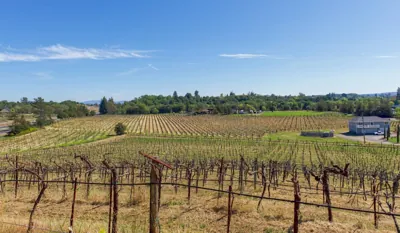
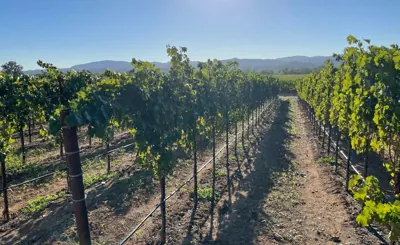
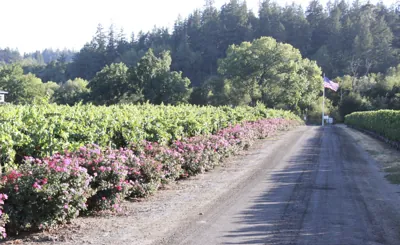
Kesselring Vineyards belongs in Wino Notion's North Dakota coverage because the page can explain the actual visitor experience rather than simply repeat a business name and phone number. Kesselring Vineyards near Kindred is a current North Dakota grape-growing destination and winery-shuttle stop, providing a direct look at northern grape production even though the visitor experience is more vineyard-centered than a conventional stand-alone winery tasting room. That winery-specific context gives travelers a reason to understand the stop before they decide whether it belongs in the day's route. This is a commercial vineyard / wine education and agritourism destination. North Dakota Tourism currently includes Kesselring on the eastern winery shuttle; call ahead to confirm the exact tasting or vineyard-visit format before travel.
North Dakota's beverage businesses are often small, seasonal and closely tied to farming, private events or owner availability, so hours and reservation rules should live in updateable visitor fields rather than permanent prose. Wine lists also change frequently because local fruit and cold-climate grape production occurs in smaller lots. The Red River Valley is one of North Dakota's most interesting cold-climate grape-growing areas. Winery travel here often combines rural roads, working agriculture and Fargo-area access.
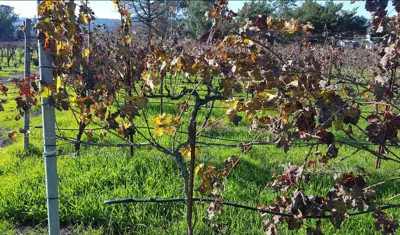
For a more informed visit to Kesselring Vineyards, ask how the agricultural property connects to the beverage in the glass. North Dakota growers work with cold-hardy grapes such as Marquette, Frontenac, La Crescent and related varieties, while many producers also use chokecherry, juneberry, rhubarb, raspberry, apple, aronia, haskap and other regional fruit. The most useful page should distinguish what is grown on site from what is sourced elsewhere and should never imply an estate-grown program when the business is primarily a tasting room or vineyard. Verify the current schedule shortly before leaving, especially for seasonal, appointment-based or developing locations. Once there, ask which current wines or specialty beverages best represent the producer and where the key grapes, fruit, honey or apples were grown.
Score Breakdown
Featured Wines
Tasting Experiences
Visit Website →Photo Gallery
Recent Reviews from Our Community
More North Dakota Wineries
All North Dakota →