About Bingham Family Vineyards Hye
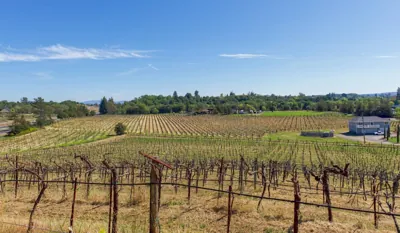
For visitors exploring Texas Hill Country and Central Texas, Bingham Family Vineyards Hye offers a useful contrast to the idea that every Texas winery visit looks the same. In Hye, the experience is a vineyard- or estate-oriented winery experience, so the appeal comes from matching the stop to the style of day you actually want. This is a farm as much as a tasting room, and that is part of the draw. The flight is only part of it; ask about the estate plantings, the sourced fruit and what the site contributes. When the property invites you into the vines, that time is usually better spent than another tasting.
In the Hill Country, the best itinerary is usually built around the kind of experience you want rather than the number of wineries you can fit in. Distances, weekend crowds and reservation policies can all shape the day, and a quieter property can feel very different from a busy Fredericksburg tasting room. For a first visit to Bingham Family Vineyards Hye, focus on what makes the producer distinct right now. Find out which wine the room is proudest of, whether the fruit is grown here or sourced elsewhere in Texas, and what regulars order that first-timers miss. Check the winery's current hours before heading out and confirm whether reservations are needed.
The day changes with the kitchen, the music schedule and any private hire. The pour list and the kitchen both change through the year, so look at the current offering before you go. Call first if the hours are tight; event bookings can close the room without much notice. For the best visit, arrive with one or two questions in mind instead of simply asking for the sweetest or boldest wine on the list. Find out which pours the team believes best represent the winery right now, where those grapes were grown and what has changed with the current vintage. That turns the stop from a generic tasting into a more useful look at this producer's place in Texas wine.
The Bingham Family Vineyards tasting room in Hye extends the family's High Plains estate wine brand into the heart of the 290 wine corridor, pairing their acclaimed Meadow, Texas vineyard wines with a food-forward...
✓
Best forHigh Plains estate wines with pizza and chocolate pairings on 290
✓
Reservation noteWalk-ins welcome; reservations for larger groups
✓
SettingHye tasting room with food pairing program on the main wine corridor
✓
VibeFood-forward and genuinely terroir-connected, best of both Texas wine regions
“The Bingham Family Vineyards tasting room in Hye extends the family's High Plains estate wine brand into the heart of the 290 wine corridor, pairing their acclaimed Meadow, Texas vineyard wines with a food-forward...”
Visit Pending
Score Breakdown
Ratings will appear after verified reviews
Wine Quality
Not yet rated
Tasting Experience
Not yet rated
Value for Money
Not yet rated
Family Friendly
Not yet rated
Dog Friendly
Not yet rated
Featured Wines
High Plains
Tempranillo
The family's flagship from 3,400-foot elevation.
White
Viognier
High Plains aromatics with Hill Country setting.
Blend
Estate GSM
Blend from Bingham Family Vineyards Hye.
Rosé
Estate Rosé
Sandy-soil pink with food pairing options.
🥂
Classic Tasting
A guided tasting of current-release wines at Bingham Family Vineyards Hye. Contact the winery for current pricing, duration, and availability.
Contact winery
👥
Group & Private Experiences
Many wineries in Bingham Family Vineyards Hye offer private tastings, reserve experiences, or seated tours for groups. Reach out directly to plan.
By appointment
🌿
Vineyard & Cellar Tours
When available, vineyard or cellar tours offer a deeper look at how Bingham Family makes its wines. Check the winery's website for schedules.
Varies
📅
Events & Member Programs
Bingham Family may host seasonal events, harvest activities, or wine club member tastings. Subscribe via the winery's site for updates.
Varies
Photo Gallery
Recent Reviews from Our Community
No Community Reviews Yet
This winery does not have any published Wino Notion community reviews yet. Be the first to share a recent visit and help other wine travelers know what to expect.
Write the First Review →