About Blue Ostrich Winery & Vineyard
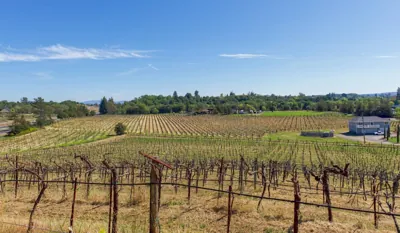
Blue Ostrich Winery and Vineyard gives wine travelers another way to experience North Texas and Dallas-Fort Worth. Around Saint Jo, expect a vineyard- or estate-oriented winery experience; the setting, amount of time to allow and type of tasting can be very different from a traditional estate-vineyard visit. The farming side of the property is part of what makes the stop worthwhile. Look beyond the tasting flight and ask what is grown on the property, what fruit is sourced from other Texas regions and how the site influences the wines. If you can walk the vineyard, give the property the extra half hour rather than hurrying to the next winery.
North Texas wine travel is spread between urban and suburban tasting rooms, small-town storefronts and rural vineyard properties outside the Dallas-Fort Worth core. That variety makes it easy to combine wine with a broader day out, but it also means the setting can change dramatically from one stop to the next. For a first visit to Blue Ostrich Winery and Vineyard, focus on what makes the producer distinct right now. Worth asking about: today's standout, the source of the fruit, and any small-production bottle that rarely leaves the tasting room. Check the winery's current hours before heading out and confirm whether reservations are needed.
The day changes with the kitchen, the music schedule and any private hire. Tasting flights, food options and individual bottles can change with season, staffing and inventory, so make one final check close to the visit. If the schedule is limited or the property is event-driven, calling ahead can save a long detour. For the best visit, arrive with one or two questions in mind instead of simply asking for the sweetest or boldest wine on the list. Find out which pours the team believes best represent the winery right now, where those grapes were grown and what has changed with the current vintage. That turns the stop from a generic tasting into a more useful look at this producer's place in Texas wine.