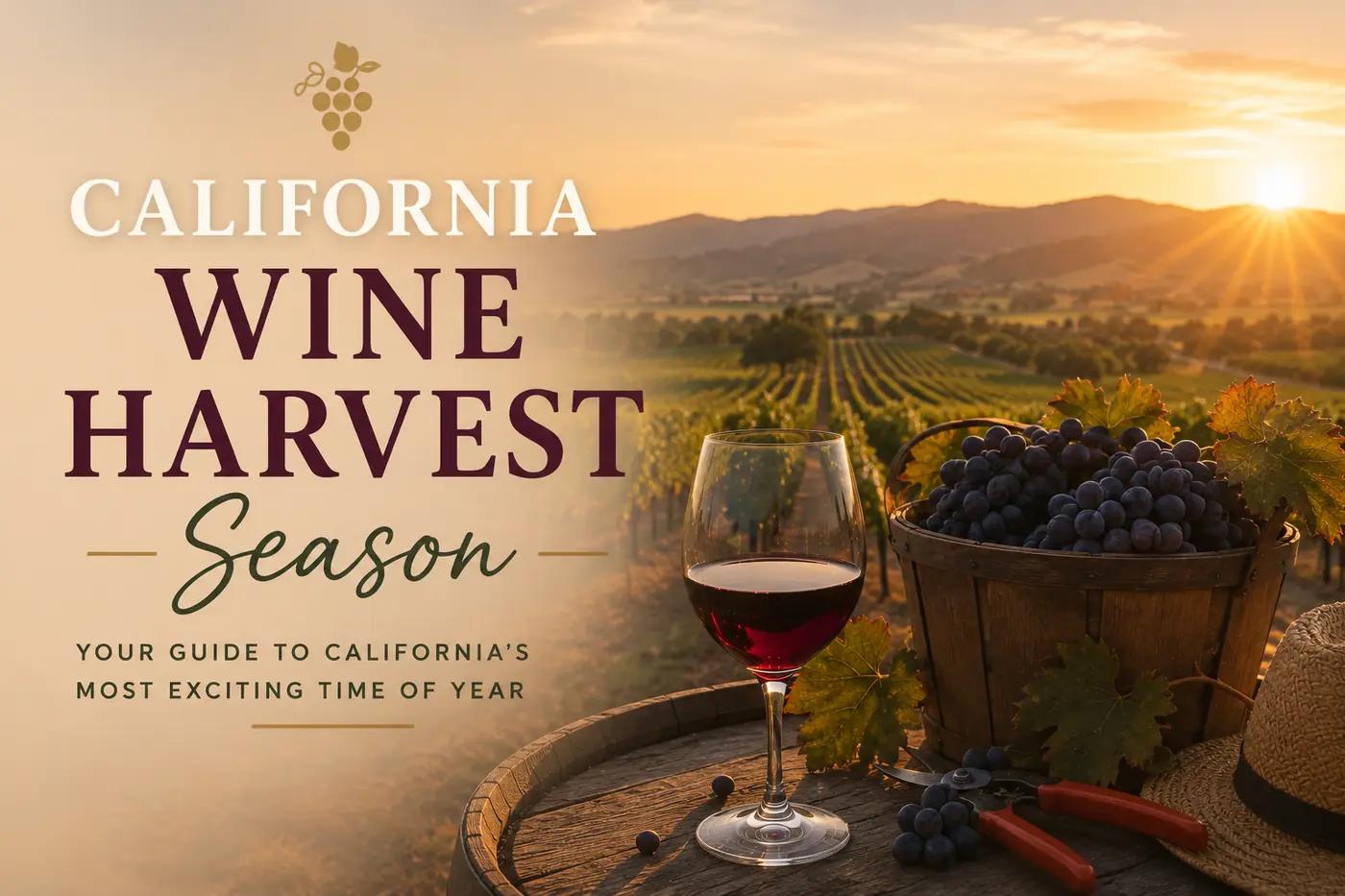
Every fall, wine country marketing fills with imagery of golden vineyards, baskets of just-picked grapes, and smiling people in flannel shirts. It's beautiful, and some of it is real. But harvest is also the hardest-working month of the year for every winery, and understanding what's actually happening, versus what the Instagram version shows, will help you have a much more authentic experience.
What Harvest Actually Is
Harvest is the period when grapes are picked and brought to the winery for processing. The timing is determined by the winemaker's judgment of optimal ripeness, a combination of sugar levels (measured in Brix), acid levels, tannin ripeness (for reds), and flavor development. Miss the window by a few days in either direction and you've compromised the wine's potential.
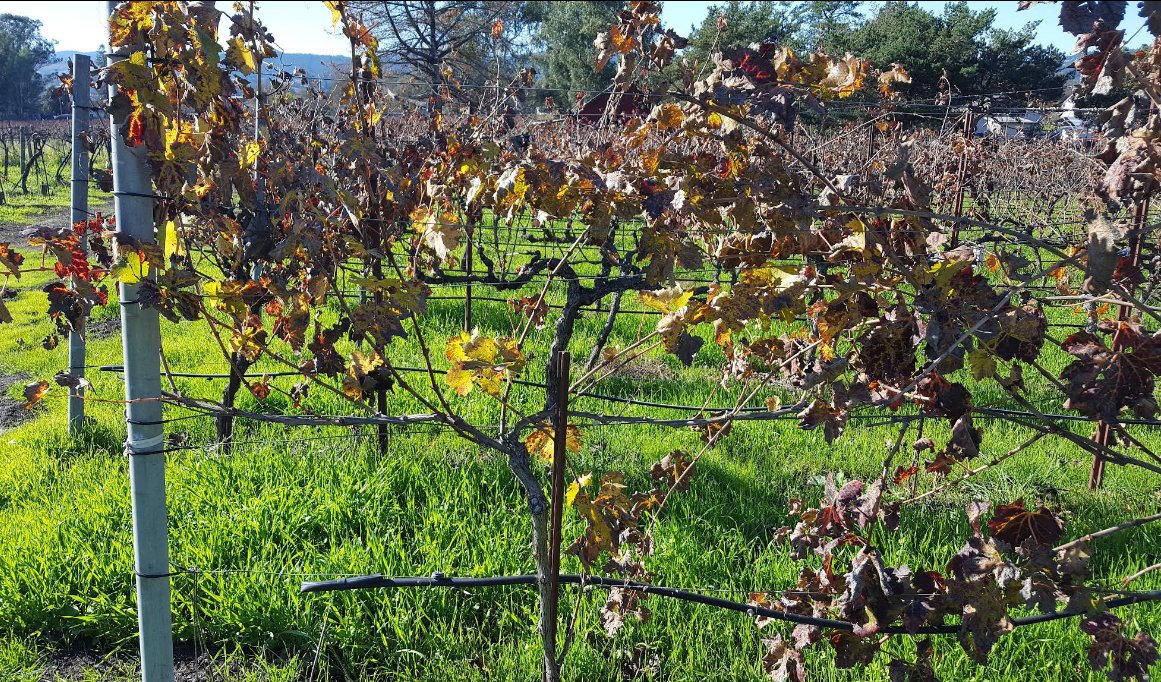
Because the window is narrow, harvest is intense. Picking crews often work in the pre-dawn hours when temperatures are coolest and the grapes are firmest. At the winery, the sorting tables, crushers, and fermentation tanks run continuously. The winemaker may sleep four hours a night for weeks. It is, by every account of everyone who works in it, simultaneously exhausting and exhilarating.
When Harvest Happens by Region
Late August, Sparkling Wine and Early Whites
The earliest California harvests are for sparkling wine base wines, Chardonnay and Pinot Noir picked at lower sugar levels (higher acidity) than still wine. Carneros and the Russian River Valley typically see their first picking crews in late August. This is the quietest part of the harvest season, most visitors don't realize it's happening.
September, Napa Valley Cabernet Begins
September is when Napa Valley comes alive with harvest energy. Sauvignon Blanc and Chardonnay are picked first in early September. Merlot follows in mid-September. Cabernet Sauvignon, the variety that dominates Napa's calendar, begins in late September and extends through October.
September-October, Sonoma County
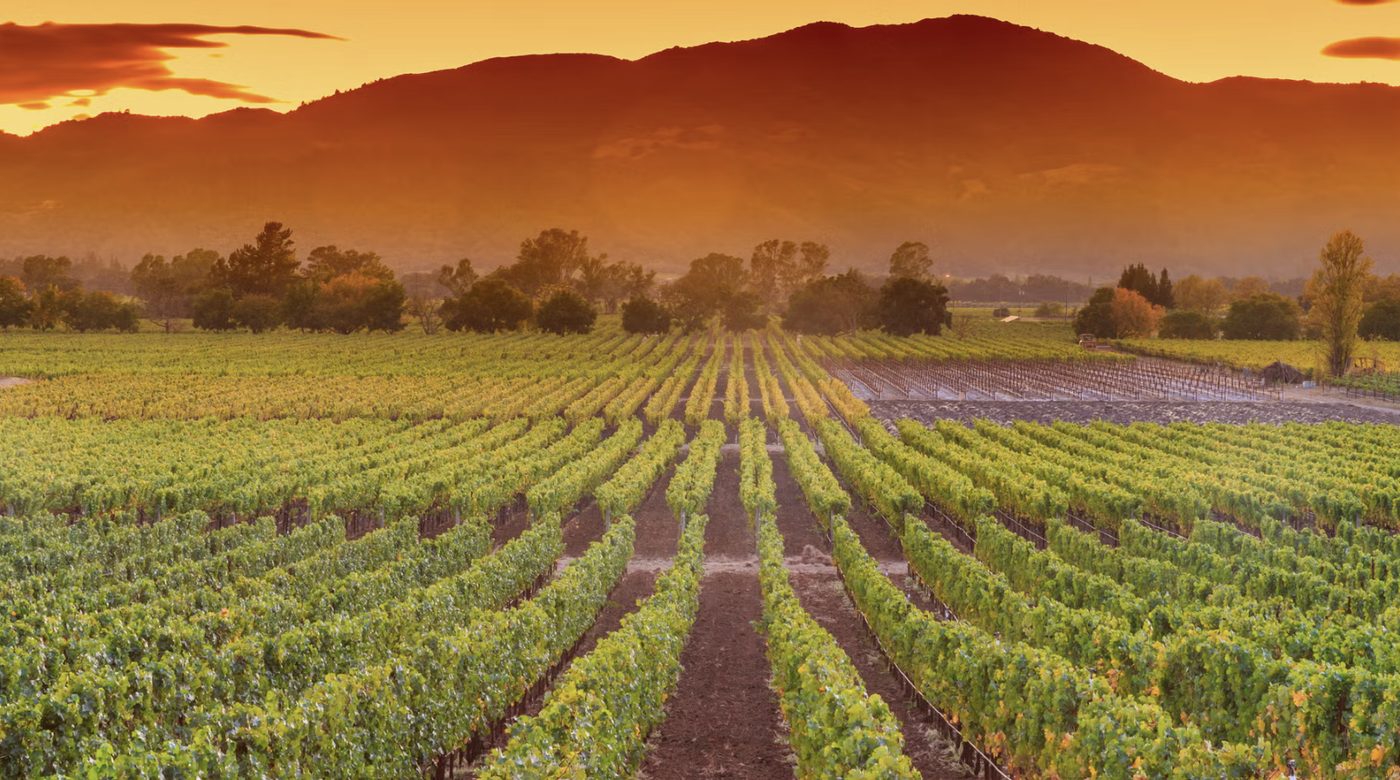
Sonoma County's harvest timeline is as diverse as its geography. Russian River Valley Chardonnay comes in early September. Dry Creek Zinfandel peaks in late September and early October. Sonoma Coast Pinot Noir, in the coolest sites, may not be harvested until late October or November.
October-November, Paso Robles and Santa Barbara
Paso Robles' diverse variety portfolio creates one of the longest harvest seasons in California, white Rhône varieties (Viognier, Roussanne) in early September through Cabernet Sauvignon in mid-October. Santa Barbara's Sta. Rita Hills, the coolest California wine region at this latitude, often doesn't finish Pinot Noir harvest until November.
What Visitors Can Actually See During Harvest
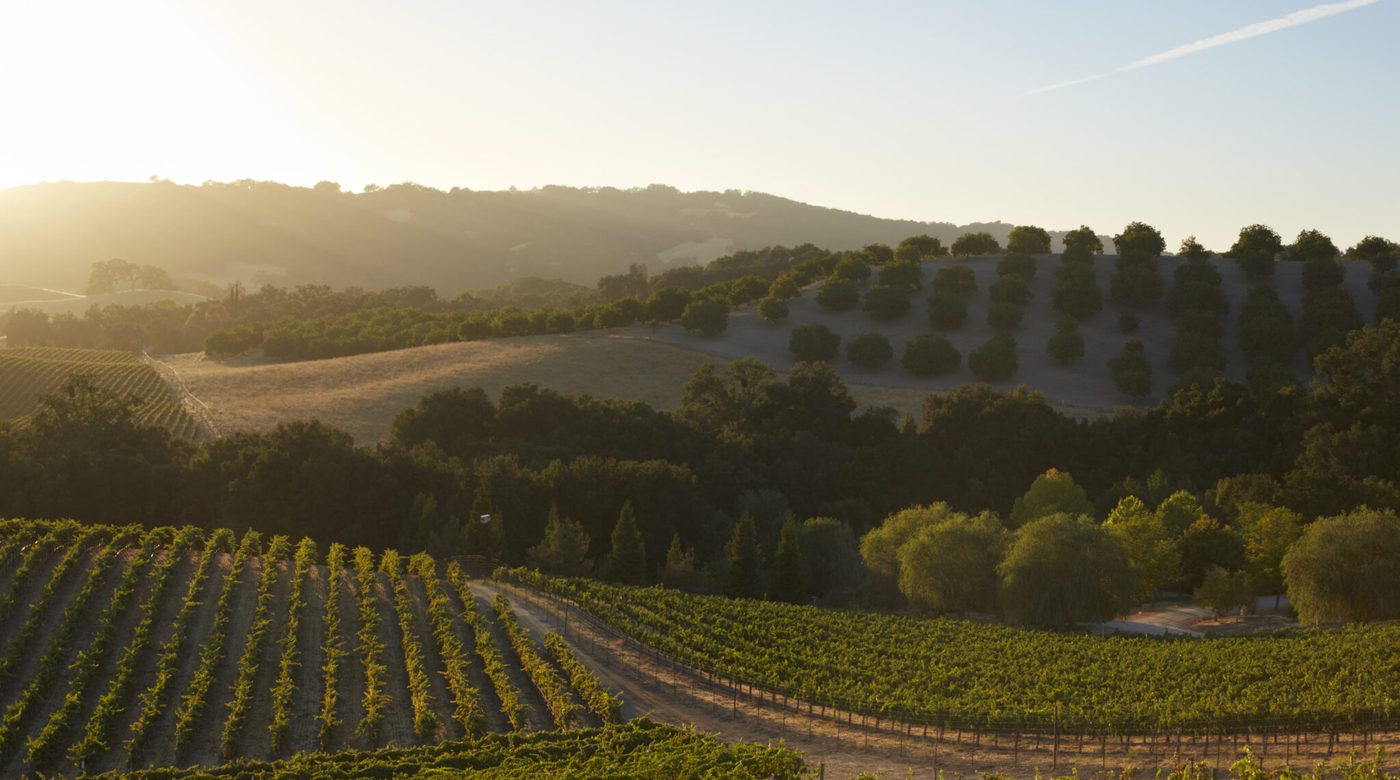
The romantic image of harvest, baskets of grapes, farmworkers in the rows, the winery in full production, is real, but access to it varies by winery. Here's what's generally visible versus restricted:
- Vineyard picking: Usually happens 2-5 AM to noon. You won't see it unless you're invited specifically by the winery or you walk/drive past vineyard blocks early in the morning.
- Sorting tables and crush pad: Some wineries offer harvest-season tasting experiences that include a look at the crush pad during processing. Ask specifically when booking.
- The smell of fermentation: This is the most universally accessible harvest experience. Walking through wine country in September and October, you can smell carbon dioxide and fermenting grape must from active fermentation tanks, a distinctly harvest-season scent that's completely free to experience.
- Harvest events: Many wineries host crush parties, harvest festivals, and special member events during peak harvest season. Check winery websites in late August for scheduled events.
The Trade-offs of Visiting During Harvest
The benefits: The vineyards are at their most beautiful, the winemakers are passionate and engaged, the energy of harvest is genuinely exciting, and special harvest-season tasting experiences are often available only during this period.
The costs: Higher prices, larger crowds, and the reality that some winemakers are too busy to pour their own wine during the most hectic weeks. Some smaller wineries actually close their tasting rooms during the most intense harvest period.
Best Harvest Experiences by Budget
Free or low-cost: Drive through wine country with your windows down in late September, the smell of harvest is free. Walk through a town like Healdsburg or St. Helena on a Saturday morning during harvest season; the energy is palpable.
Mid-range ($50-$150 per person): Book harvest-season tasting flights at estates that offer crush pad access or barrel tasting experiences. Many wineries price these at a premium above their standard tasting fee but include access and context unavailable other times of year.
Premium ($200+): Some estates offer dedicated harvest lunches, private vineyard tours during picking, and winemaker dinners paired with barrel samples of the just-finished fermentation. These are typically reserved for wine club members first, with limited public availability.
Wino Notion has information on harvest events and seasonal experiences at over 1,900 California wineries. Search your region and plan your harvest visit.