In This Guide
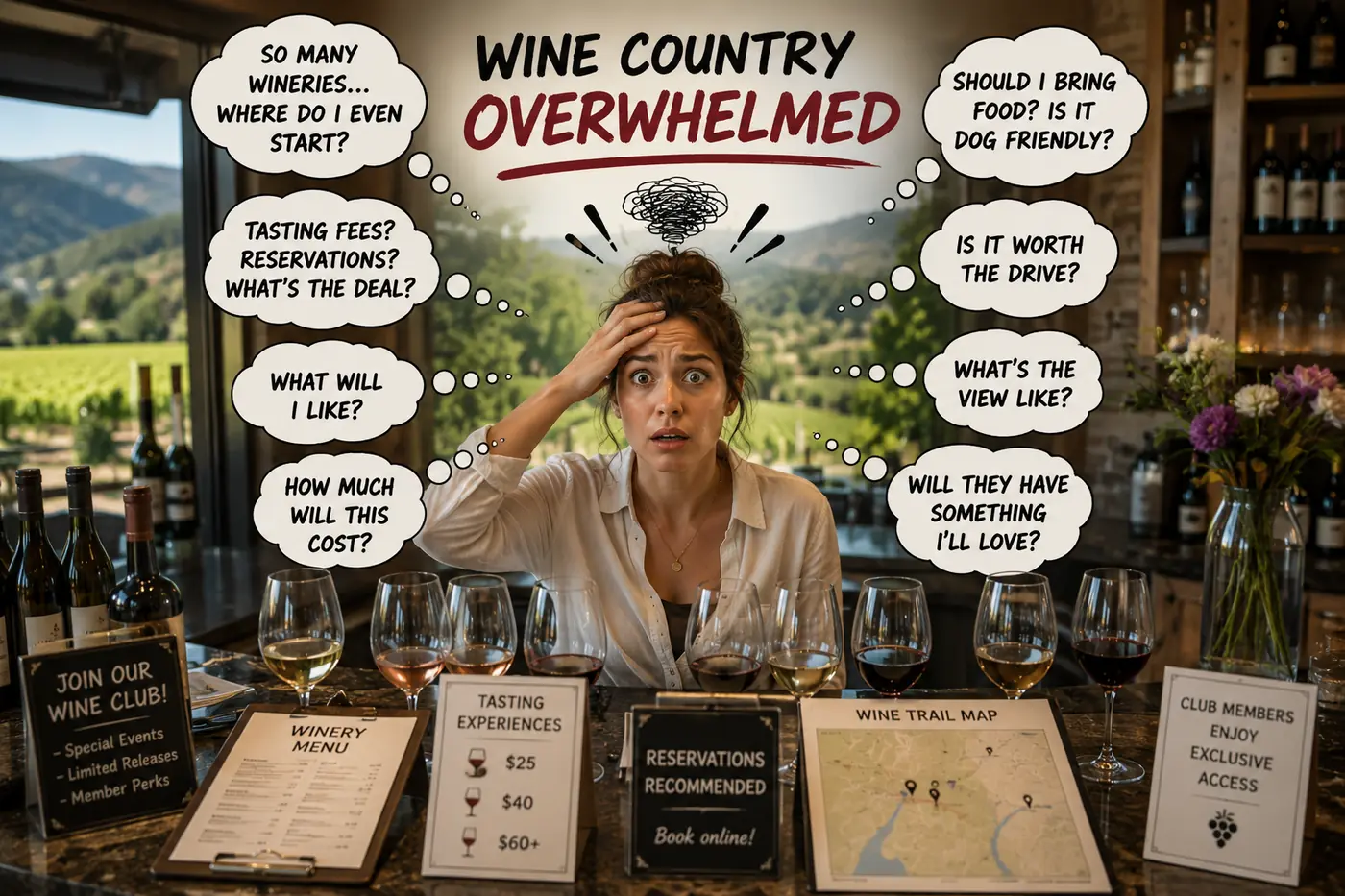
Every year, millions of people visit Napa Valley and come home with the same two reactions: "That was the most beautiful place I've ever been" and "I spent how much?" If you're planning your first trip, this guide is designed to help you have the first experience without the second surprise.
Napa Valley is 35 miles long and 5 miles wide. It contains more Michelin-starred restaurants per capita than almost anywhere in America. Its Cabernet Sauvignon routinely sells for $200-$400 a bottle. And yet, with the right planning, you can have an extraordinary first visit for a reasonable amount of money, see the best the valley has to offer, and actually understand what makes it special.
Why Napa Valley is Unlike Any Wine Region on Earth
Napa's uniqueness comes from geography. The valley runs south to north, opening toward San Pablo Bay in the south and narrowing toward the Mayacamas Mountains in the north. Cool Pacific fog rolls in through the Carneros gap each evening, moderating temperatures that would otherwise be too warm for fine wine. The result: warm, sunny growing days and cool nights, the perfect conditions for Cabernet Sauvignon that is simultaneously ripe and structured.
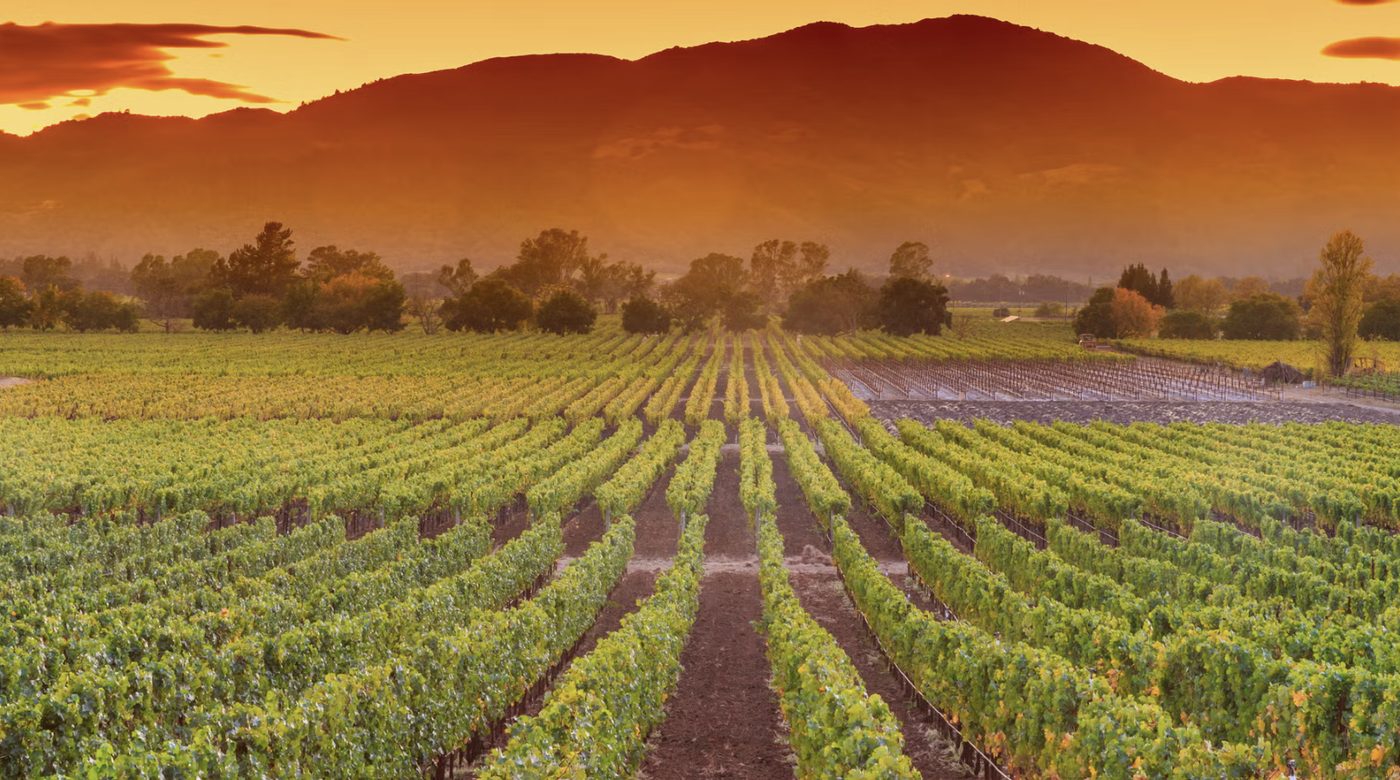
The soils are extraordinarily diverse. In a single mile of valley floor you might cross volcanic ash from ancient eruptions, river-deposited alluvial gravel, and clay-rich soils left by ancient lake beds. This is why Cabernet from Rutherford tastes different from Cabernet from Oakville, which tastes different from Cabernet from St. Helena, same grape, same valley, different Earth.
The 6 Napa AVAs You Actually Need to Know
Carneros, Pinot Noir & Sparkling Wine
The coolest part of the valley, closest to San Pablo Bay. Lower tasting fees than the valley floor and a great starting point since you arrive from the south. Domaine Carneros and Etude are the signature estates here.
Yountville, Cabernet & Merlot
The food-and-wine hub of the valley. Thomas Keller's French Laundry is here. Tasting rooms are walkable. More casual and accessible than Rutherford or St. Helena.
Oakville, Structured Cabernet Sauvignon
Home to some of the most valuable farmland on Earth. The Oakville Bench produces Napa's most structured Cabernet. Robert Mondavi, Opus One, and Screaming Eagle are all Oakville.
Rutherford, Earthy, Dusty Cabernet
The source of "Rutherford Dust", the fine-grained silty loam that gives Rutherford Cabernet its distinctive cocoa and earth quality. Inglenook, Beaulieu Vineyard, and Caymus are all here.
St. Helena, Richest Valley Floor Cabernet
The most historic wine town in Napa. The warmest of the floor AVAs, producing the ripest, most generous Cabernet. Beautiful Victorian architecture and excellent restaurants line the main street.
Mountain AVAs, Howell Mountain, Spring Mountain, Diamond Mountain
Elevated appellations producing Cabernet of extraordinary concentration and tannic structure. Higher elevation means more UV, smaller berries, and wines that age for decades. A visit to Pride Mountain is unforgettable.
How to Book Tastings Without Getting Burned
Napa tasting culture has changed dramatically since 2020. Almost every estate now requires advance reservations, and most charge $30-$75 per person, waived only with bottle purchases.
Book 2-3 weeks in advance for popular estates. Some, Screaming Eagle, Harlan, BOND, have no public tasting program at all. Limit yourself to 3 estates per day, maximum. Wine tourism fatigue is real, and four stops becomes a blur by the last pour.
Read the cancellation policy before booking. Many estates charge 100% of the fee for no-shows. On a busy weekend with four people at a $50-per-person estate, that's $200 lost.
What to Budget for a Napa Weekend
An honest budget for two people over two days:
- Tasting fees: $60-$150 per estate × 3 estates per day = $360-$900 over two days
- Lunch: $40-$80 per person at a winery restaurant
- Dinner: $80-$200 per person in Yountville or St. Helena
- Accommodation: $250-$600/night in the valley; $150-$300 at an inn in Napa city
- Wine purchases: The biggest variable. Budget what you'd spend at any excellent restaurant, then double it.
A 2-Day First-Timer's Itinerary
Day 1: Carneros → Yountville → Oakville
Start at Domaine Carneros (10 AM), the château is gorgeous, the sparkling wine is exceptional. Drive north through Yountville for lunch, then continue to Oakville for your afternoon estate.
Day 2: Rutherford → St. Helena → Calistoga
Start at Inglenook in Rutherford, the most historically significant winery in American wine history. End the day in Calistoga at the hot springs and geysers.
The 7 Mistakes Every First-Timer Makes
For the data-backed deep dive - verified reservation rates, price tiers, and the walk-in minority - read our companion piece: 7 Mistakes First-Time Napa Visitors Make, Backed by Data.
- Over-scheduling, Three estates maximum per day, full stop.
- Driving without a plan, Plan your north-south route in advance. Napa roads have no shoulder and real traffic on weekends.
- Skipping food, Tasting on an empty stomach is unpleasant and potentially unsafe. Eat a real breakfast.
- Buying at the first winery, Taste across the day before committing to purchases.
- Ignoring the mountain AVAs, Most first-timers stay on the valley floor. A mountain estate visit should be included.
- Underestimating summer heat, Northern Napa can reach 95°F. Drink water, wear sunscreen, don't leave wine in the car.
- Buying wine to waive the fee, At $50/person waived with two bottles, the math only works if you love the wine.