In This Comparison
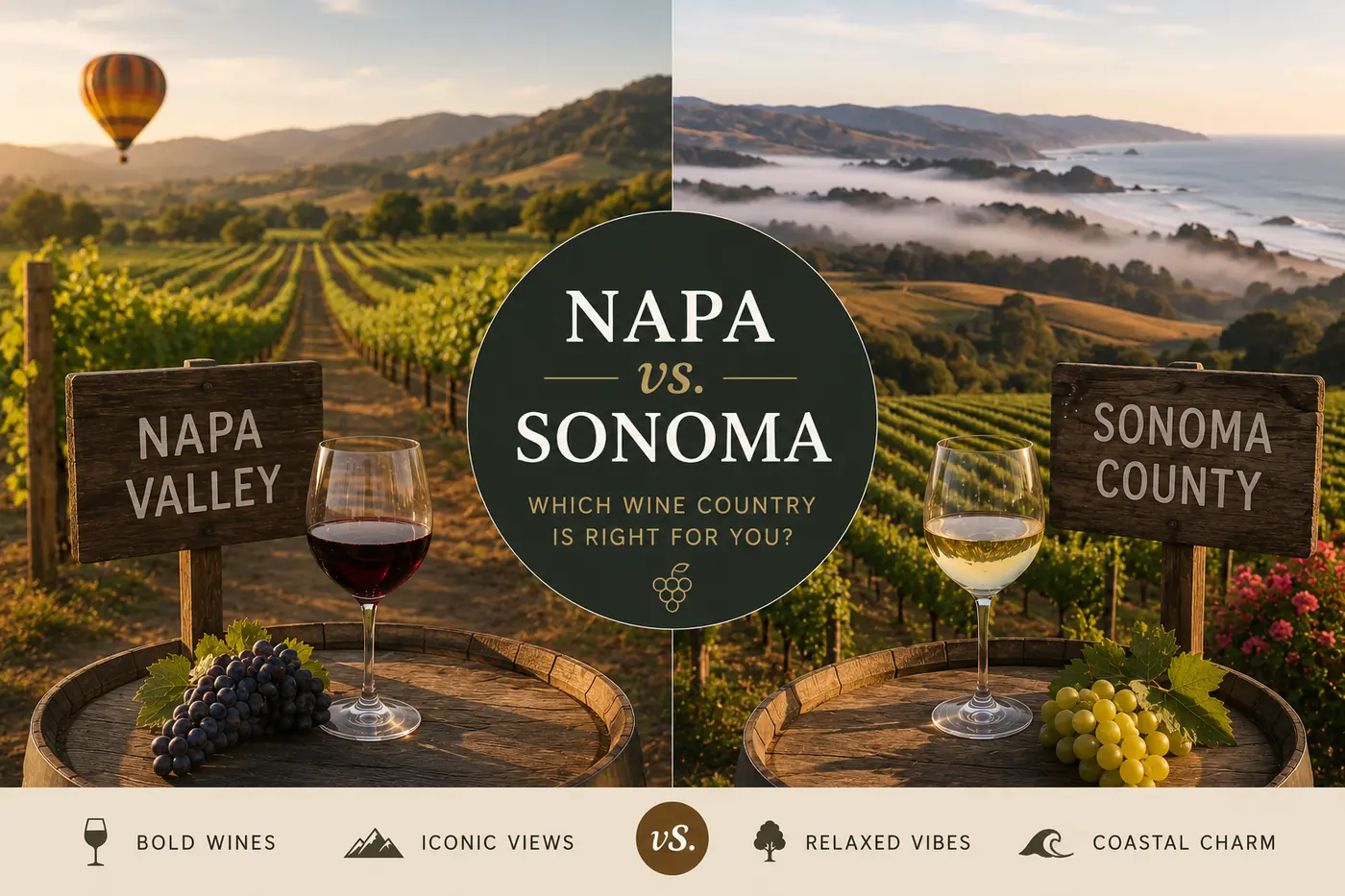
Napa Valley and Sonoma County are separated by the Mayacamas Mountains and about 30 miles of winding roads. In character, culture, and wine style, they're separated by something much larger. Neither is better. They're different in ways that matter enormously if you're trying to decide which one to visit, and the travel content that tells you to "visit both" without explaining the differences isn't helping you plan.
This is the honest comparison.
The Basic Difference in One Sentence
Napa is a luxury destination that happens to make great wine. Sonoma is a wine region that happens to offer a great travel experience.
That's not a knock on either. Napa has genuinely earned its luxury reputation, and the Cabernet Sauvignon it produces is some of the finest wine in the world. But the frame matters: if you go to Napa expecting a relaxed agricultural experience, you'll be surprised by how polished, expensive, and reservation-driven it is. If you go to Sonoma expecting Napa, you'll be surprised by how diverse, affordable, and exploratory it is.
Wine Styles: What You'll Actually Be Drinking
Napa Valley, Cabernet Country
Napa's identity is Cabernet Sauvignon. Approximately 60% of Napa's planted acreage is Cabernet Sauvignon, and the region's reputation rests almost entirely on its ability to produce Cab of extraordinary richness, structure, and longevity. If you love Cabernet Sauvignon and want to taste the world's best examples in their home context, Napa is irreplaceable.
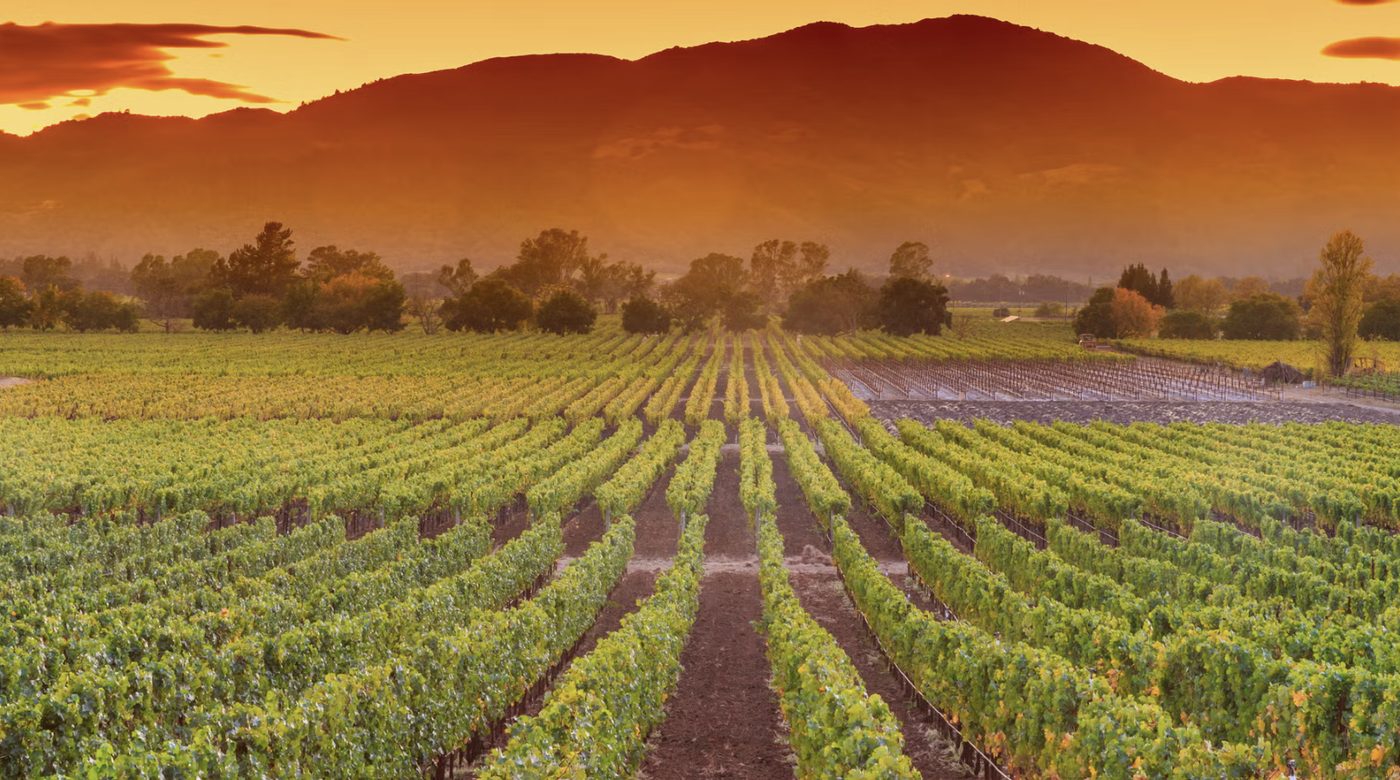
Napa also produces excellent Merlot, Chardonnay, Sauvignon Blanc, and, in its cooler southern Carneros sub-region, Pinot Noir and sparkling wine. But Cabernet is the reason Napa matters, and your tastings will be dominated by it.
Sonoma County, Everything Else
Sonoma's greatest strength is its diversity. The county is massive, 1,768 square miles compared to Napa's 788, and contains dramatically different climates, soil types, and wine styles across its sub-regions. In a single Sonoma County day you can taste fog-driven Russian River Pinot Noir in the morning, warm Dry Creek Zinfandel at lunch, and windswept Sonoma Coast Syrah in the afternoon.
Cost: Tasting Fees, Hotels, and Restaurants
Sonoma is significantly less expensive than Napa across every category:
- Tasting fees: Sonoma averages $20-$40/person; Napa averages $40-$75/person, with prestige estates reaching $150+
- Hotels: Sonoma's best inns run $200-$400/night; comparable Napa properties run $350-$700+
- Restaurants: Excellent dinner for two in Healdsburg or Sonoma town: $120-$180. Comparable Napa dining: $180-$300+
- Wine purchases: Sonoma's most celebrated wines sell for $30-$80 per bottle at the winery; Napa's most celebrated sell for $60-$300+
Atmosphere and Experience
Napa is manicured, formal, and reservation-driven. The estates are architectural showpieces. The staff are professional and knowledgeable. The expectation is that you've booked in advance, you're there for a specific wine experience, and you're prepared to spend. This is a feature, not a bug, Napa's polish is part of its appeal. But it can feel like a luxury resort rather than an agricultural region.
Sonoma is more casual, more sprawling, and more variable in quality. You can still walk into many Sonoma wineries without a reservation on a weekday. The tasting rooms range from converted barns to architect-designed statement buildings. The winemakers are more likely to be pouring your wine themselves. The experience is less predictable but often more personal.
How to Choose
Choose Napa if: You love Cabernet Sauvignon above all else. You're celebrating a special occasion and want polished, luxury hospitality. You want Michelin-starred dining as part of your trip. You're visiting for the first time and want to see what California wine country is "supposed" to look like.
Choose Sonoma if: You want to explore diverse wine styles beyond Cabernet. You're on a tighter budget. You prefer a more relaxed, agricultural atmosphere. You want to discover smaller, less-famous producers. You're interested in biodynamic and natural wine. You're bringing a dog.
The Case for Doing Both
The classic California wine country trip is 4 nights: two in Sonoma, two in Napa, with a day crossing the Mayacamas Mountains via the Oakville Grade or Trinity Road. Start in Sonoma (usually the Healdsburg side) for Pinot and Zinfandel, cross over to Napa on day three, and end in Calistoga.
Wino Notion has profiles on 500+ Napa wineries and 400+ Sonoma wineries. Use our search to find the specific estates that match your style preferences and plan your itinerary.