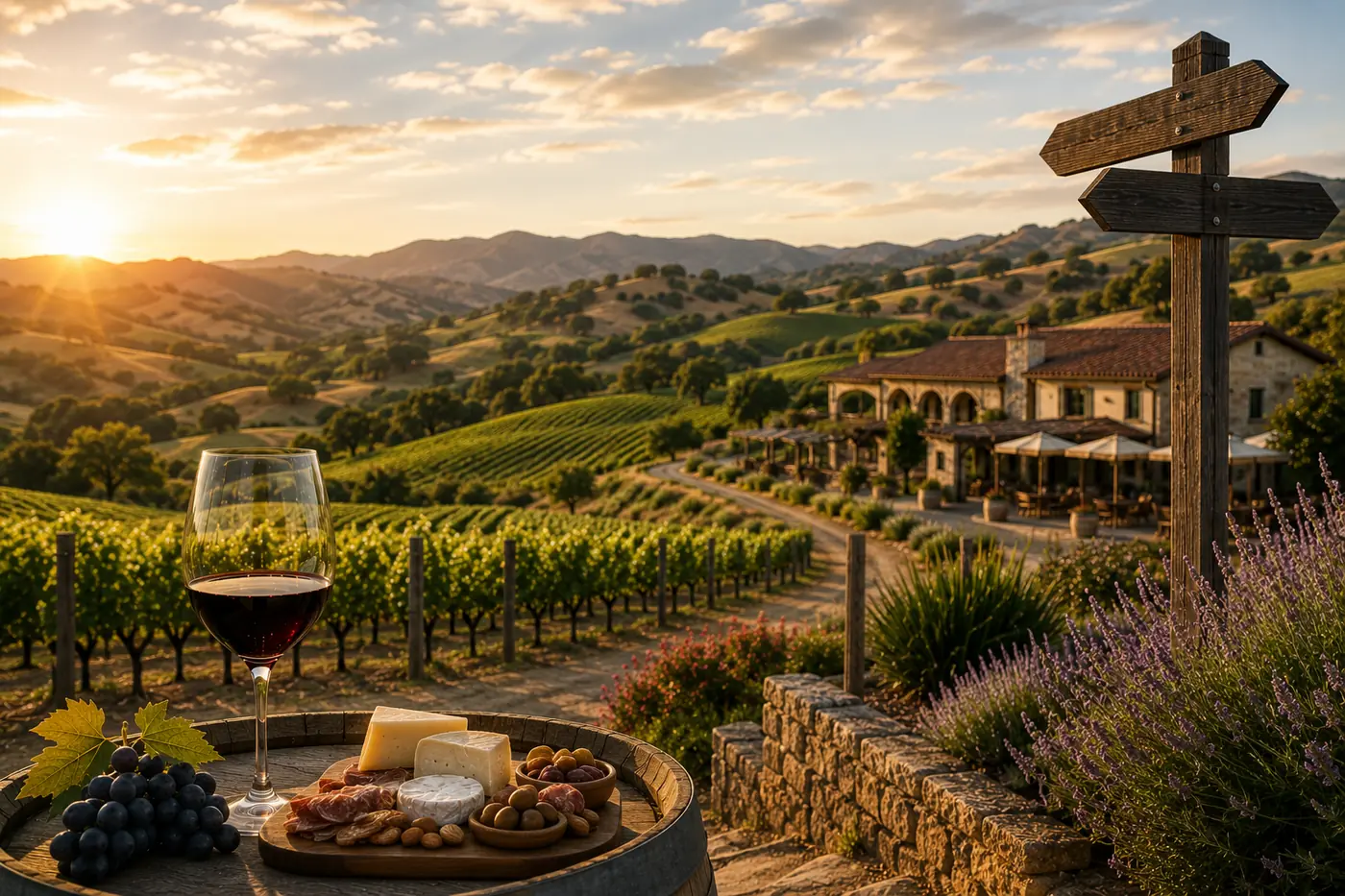
For decades, Paso Robles was California's wine country afterthought, too hot, too remote, too focused on the kind of jammy Zinfandel that serious collectors ignored. That era is definitively over.
Today, Paso Robles produces some of California's most celebrated Rhône and Bordeaux wines, hosts over 300 wineries spanning a remarkable range of styles and varieties, and offers tasting experiences that cost a fraction of what you'd pay in Napa or Sonoma. It is, by almost any measure, the most exciting wine destination in California right now.
East Side vs. West Side: The Most Important Distinction in Paso Robles
The Templeton Gap, a break in the Santa Lucia Range, divides Paso Robles into two fundamentally different wine regions. Understanding this distinction is the most important thing a first-time visitor can learn.
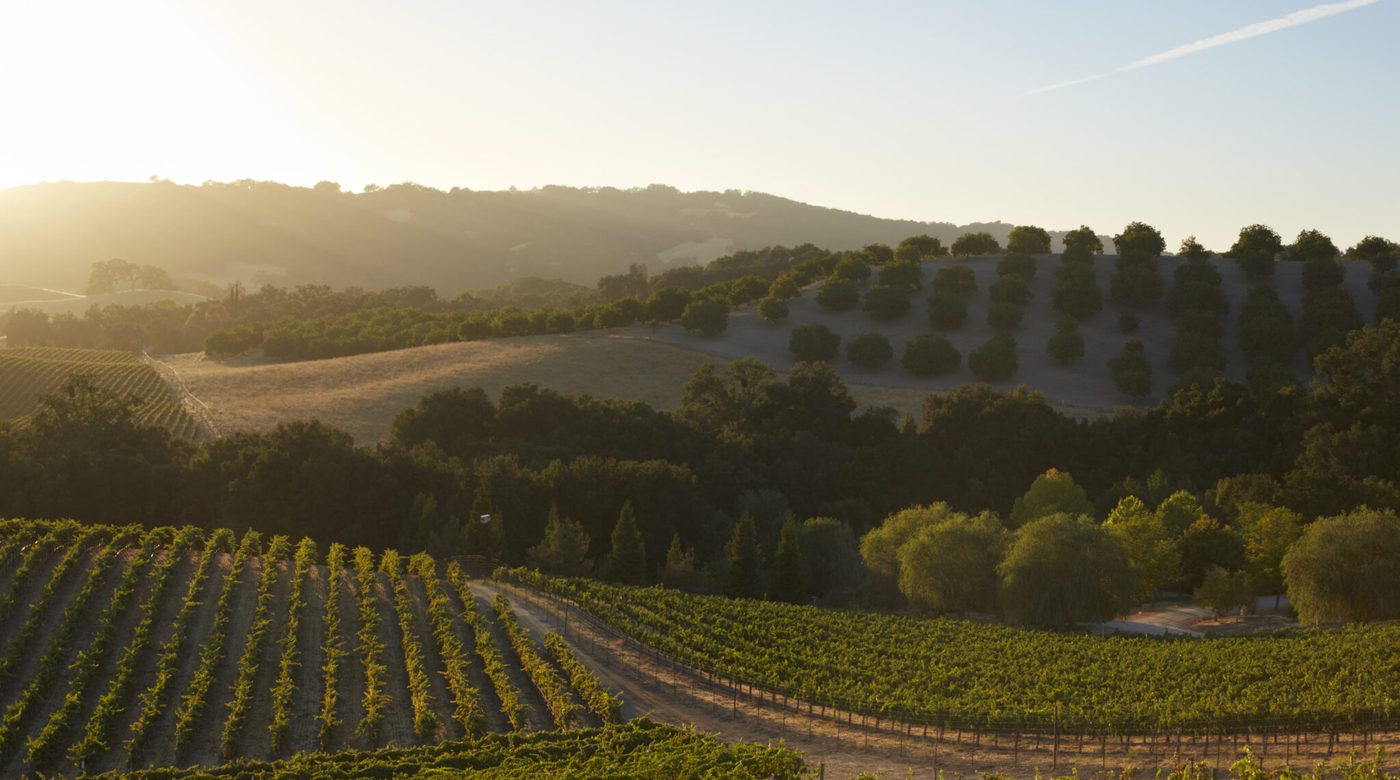
The East Side is warmer, with more continental conditions. Less Pacific Ocean influence means bigger temperature swings between day and night, and wines of the warm, generous, fruit-forward character that made Paso famous. Zinfandel, Cabernet Sauvignon, and Petite Sirah thrive here. Tasting fees are often $10-$15.
The West Side (Adelaida District) is where the excitement is. The calcareous limestone soils of the Adelaida District, combined with the cool marine air flowing through the Santa Lucia Range, produce Grenache, Mourvèdre, Syrah, and Roussanne of extraordinary mineral complexity. This is California's most concentrated zone of Rhône variety winemaking excellence.
The Westside Wineries You Need to Visit
Why Paso Robles is More Affordable Than Napa
Average tasting fees in Paso Robles are $15-$25 per person, compared to $40-$75 in Napa. Most estates waive the fee with a one-bottle purchase rather than two. Walk-ins are still welcome at many estates, particularly on the East Side. And hotel rates in Paso Robles city are typically $100-$200 per night less than equivalent Napa accommodations.
This doesn't mean Paso Robles is a budget destination, the top Westside estates charge Napa-comparable prices for their wines, and a serious Adelaida District tasting day can easily run $100+ per person in purchases alone. But the entry point is dramatically lower, and the dollar-per-quality ratio for wine tourism is significantly better.
The 40+ Grape Varieties That Make Paso Unique
No other California wine region grows as many different grape varieties as Paso Robles. Beyond the Rhône and Bordeaux families that anchor the wine country, you'll find Tempranillo, Albariño, Vermentino, Nebbiolo, Sagrantino, Tannat, and Touriga Nacional often planted by winemakers who have simply decided to try something unusual on the calcareous Westside soils and found it works extraordinarily well.
This experimental culture is Paso Robles at its most distinctive. In Napa, planting anything but Cabernet Sauvignon is an economic risk no one takes. In Paso, the relatively lower land cost has enabled a generation of winemakers to plant what they love.
When to Visit Paso Robles
Spring (March-May) is ideal: the hills are green, temperatures are mild, and the tasting rooms are uncrowded. Harvest (September-October) is exciting and atmospheric but busier. Summer weekends can see inland temperatures of 100°F+, serious wine tasting in those conditions is challenging.
Getting to Paso Robles
Paso Robles is 3.5 hours south of San Francisco via US-101, or 4.5 hours north of Los Angeles. San Luis Obispo Airport (SBP) is 30 minutes south and serves major airlines. The town of Paso Robles has a charming downtown square with excellent restaurants, a farmers market, and accommodations ranging from boutique inns to chain hotels.
Wino Notion has profiles on over 400 Paso Robles wineries, search by variety, district, or tasting style to plan your itinerary.