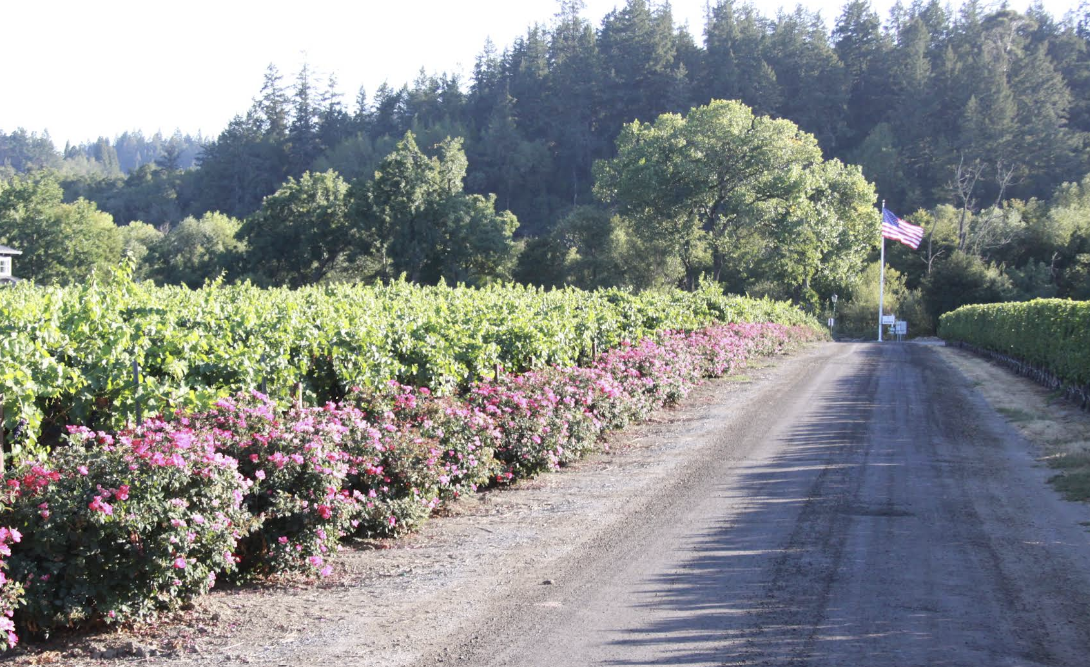
Virginia is the East Coast wine region that has quietly gotten serious. The catalog tracks over a hundred Virginia wineries, most within an easy drive of Washington DC, and the state has spent two decades proving that its humid, unpredictable climate can make wines of real structure, if you plant the right grapes.
That grape, more than any other, is Viognier, the Rhone white Virginia adopted as its signature. But the story worth telling is what the state does with Bordeaux reds and with a nearly forgotten grape called Petit Manseng.
Monticello and Charlottesville: The Historic Heart
Wine in Virginia starts with Thomas Jefferson, who tried and failed to grow European vines at Monticello two centuries before anyone succeeded. The Monticello AVA around Charlottesville is now the state's most acclaimed, with the most tasting rooms of any Virginia town. Estates like 12 Ridges Vineyard work the higher elevations of the Blue Ridge nearby.
Loudoun County: DC's Wine Country
Closer to Washington, Loudoun County markets itself as "DC's Wine Country," and the density around Leesburg, Purcellville and Waterford makes it the easiest day trip in the state. 8 Chains North Winery in Waterford and 868 Estate Vineyards in the Loudoun highlands sit in this cluster.
What to Drink
Start with Viognier, then find a Petit Manseng and a Bordeaux-style red blend. The reds, built on Cabernet Franc, Merlot and Petit Verdot, are where Virginia has made its most convincing case, and Petit Verdot, a blending grape almost everywhere else, sometimes stands alone here.
Visiting Virginia Wine Country
Spring and fall are ideal; summers are humid. Many estates are weekend-focused and reservations help at the smaller ones. See every Virginia winery on the winery browser or map a route on the map.