In This Guide
Every year, millions of people visit Napa Valley and come home with the same two reactions: "That was the most beautiful place I've ever been" and "I spent how much?" If you're planning your first trip, this guide is designed to help you have the first experience without the second surprise.
Napa Valley is 35 miles long and 5 miles wide. It contains more Michelin-starred restaurants per capita than almost anywhere in America. Its Cabernet Sauvignon routinely sells for $200-$400 a bottle. And yet, with the right planning, you can have an extraordinary first visit for a reasonable amount of money, see the best the valley has to offer, and actually understand what makes it special.
Most Napa mistake lists run on anecdotes. This one runs on data: in July 2026 we verified tasting room hours, reservation policies, price tiers, and pet policies for all 684 Napa Valley wineries in the Wino Notion catalog. The patterns are unambiguous, and a few of them contradict what first-time visitors assume. Here is what the numbers say to avoid.
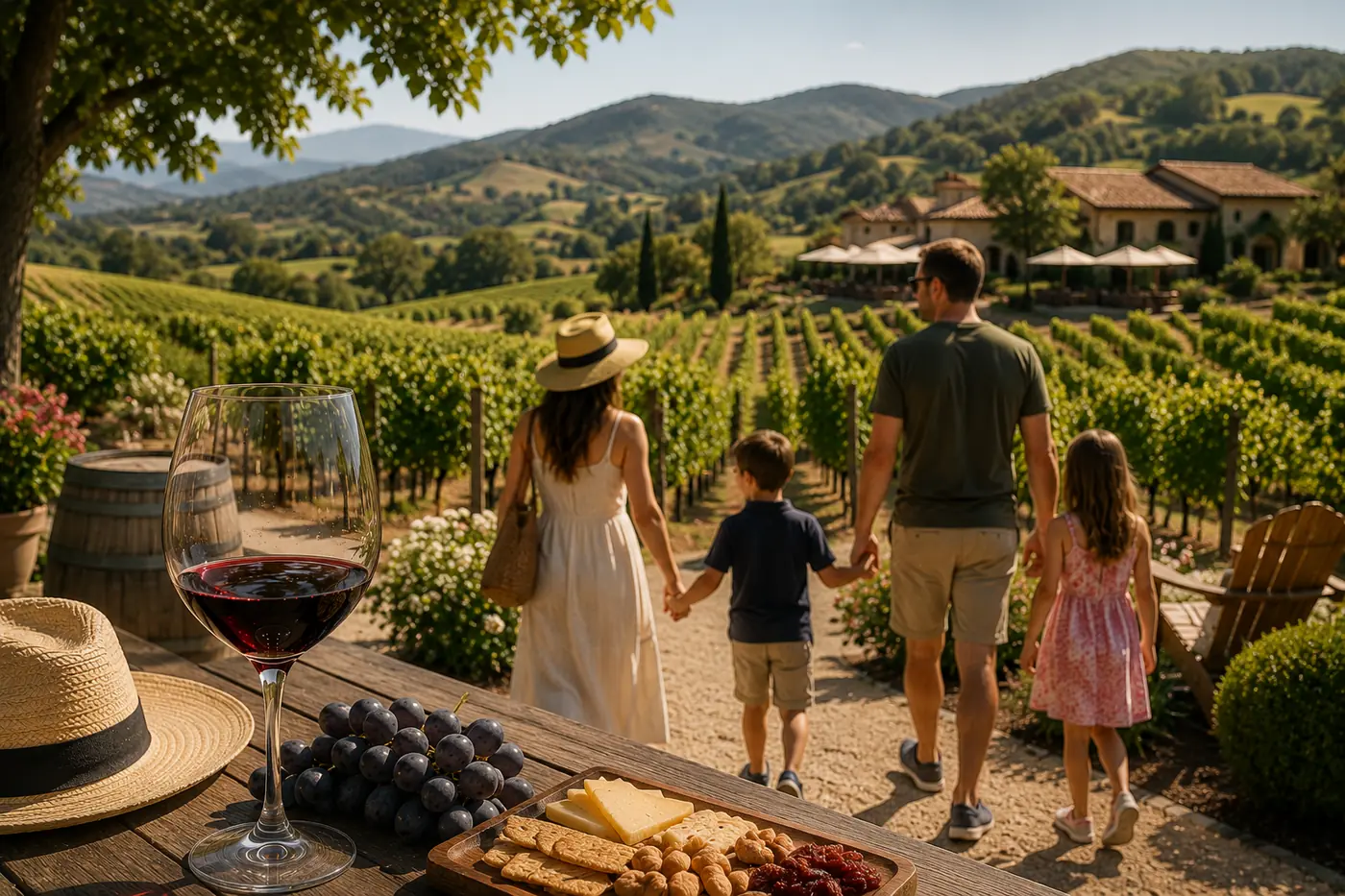
Wine country is quietly becoming a family destination. As tasting rooms rethink hospitality, more estates are adding lawns, casual food, and space for kids to actually be kids. The question is which ones - and that is where guessing goes wrong. We verified amenities for nearly 5,000 American wineries, and 966 carry a confirmed family-friendly designation. Here is what the data says about planning a wine trip with children in tow.
Where the family-friendly wineries actually are
The two capitals of family wine travel are not what most people guess. Sonoma County leads the nation with 174 verified family-friendly wineries, and Paso Robles is right behind at 170 - both regions where the picnic-table, bring-everyone culture never left. The Sierra Foothills (76) and Napa Valley (62) follow, and the surprise contenders are heartland regions like Indiana (78), Idaho (57), and Georgia (50), where wineries double as weekend family outings. Temecula (44) rounds out the southern California picture. Every one is filterable in our winery browser - check Family Friendly and pick your state.
What makes a winery work with kids
Three amenities separate a relaxed family visit from a stressful one, and all three are in our data. First, outdoor space: 509 wineries have verified outdoor seating, gardens, or picnic areas - room to move matters more than anything on a tasting-room floor. Second, food: 211 wineries serve it on site, which converts a 45-minute tasting into an unhurried afternoon. Third, flexibility: 746 wineries are verified walk-in friendly, and spontaneity is worth a lot when nap schedules run the day. The dog-friendly overlap is strong too - families traveling with kids often travel with the dog, and 1,700 wineries in our catalog welcome them.
The appointment-only trap
The flip side: in prestige regions, assuming you can wander in with a stroller fails often. In Napa Valley specifically, 82 percent of wineries operate by appointment only, and many appointment-only estates are adults-oriented by design. The fix is simple - confirm the kids are welcome when you book, and build days around the walk-in and picnic-friendly minority. Our Napa mistakes guide covers this in detail.
How to structure the day
Veteran wine-country parents converge on the same playbook: mornings over afternoons (tasting rooms are quieter and kids are fresher), two stops a day instead of three, one long lunch-anchored visit at a winery with food and lawn space, and a non-wine anchor in the middle - a farmers market, a beach, a short hike. Our trip planner computes real drive times between stops so the day fits inside actual attention spans.
The bigger picture
Wineries are not adding play lawns by accident. Tasting-room visitation has softened industry-wide, and the estates responding best have shifted from transaction to memory-making - wine as part of time spent together across generations. For visiting families that is pure upside: wine country in 2026 is more welcoming to children than it has been in decades, and the wineries doing it well are easy to find when the data is verified instead of guessed.
Frequently Asked Questions
Can you bring kids to wineries?
Often yes, but policies vary widely. 966 wineries in the Wino Notion catalog carry a verified family-friendly designation. Appointment-only estates in prestige regions are the most likely to be adults-oriented, so confirm when booking.
Which wine regions are best for families?
By verified count, Sonoma County (174 family-friendly wineries) and Paso Robles (170) lead the nation, followed by the Sierra Foothills, Napa Valley, and heartland regions like Indiana and Idaho where wineries are built as family outings.
Do wineries have food for kids?
Some do: 211 wineries in our data serve food on site, and 509 have outdoor seating, gardens, or picnic areas where packed snacks work well. Wineries with food and lawn space make the best long family stops.
Planning a first trip? Start with the complete first-timer’s guide to Napa Valley or browse every verified family-friendly winery.