About Schadé Vineyard & Winery
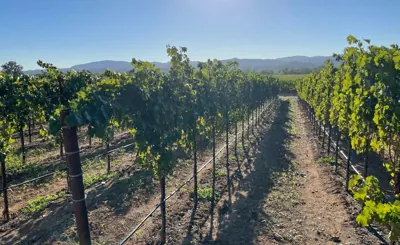
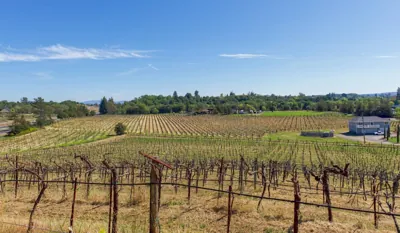
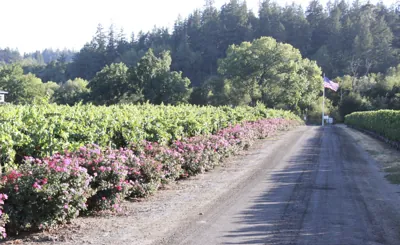
Schade Vineyard & Winery belongs in Wino Notion's South Dakota winery coverage because the page can tell travelers something more useful than a name, rating and map pin. Schade Vineyard west of Volga is one of South Dakota's early bonded farm wineries, growing cold-climate grapes and using locally grown fruits while adding events, weddings and vineyard lodging to the visitor experience. That winery-specific detail should lead the description so a visitor understands what makes the stop distinct before planning the drive. This is a cold-climate vineyard / winery / events and lodging. Current first-party site describes a year-round tasting room; verify current event calendar and seasonal service details before travel. South Dakota winery hours can be highly seasonal because tourism peaks, harvest, private events and winter weather all affect small producers.
The same applies to current wine lists: small lots, fruit wines and cold-climate varietals can sell through or change from one season to the next. The Brookings and Volga area is agricultural South Dakota at its core. Cold-climate grapes, local fruit, university proximity and farm hospitality make winery visits here particularly useful for travelers who want to understand how northern viticulture actually works. For a deeper visit to Schade Vineyard & Winery, ask how the vineyard or farm connects to the wines in the glass. South Dakota's winters favor cold-hardy grapes such as Marquette, Frontenac, Brianna and related hybrids, while many producers also work with rhubarb, chokecherry, raspberry, aronia or other regional fruit.
A strong Wino Notion page should say what is grown on site, what comes from other local growers and what may be sourced outside the state rather than assuming every bottle is estate-grown. That sourcing story is one of the most interesting parts of wine travel this far north. Check the current schedule shortly before leaving, especially for appointment-based, seasonal or sale-transition businesses. Once there, ask which wines best represent the producer today and where the grapes or fruit were grown.