Regions › Texas

Texas Wine Country

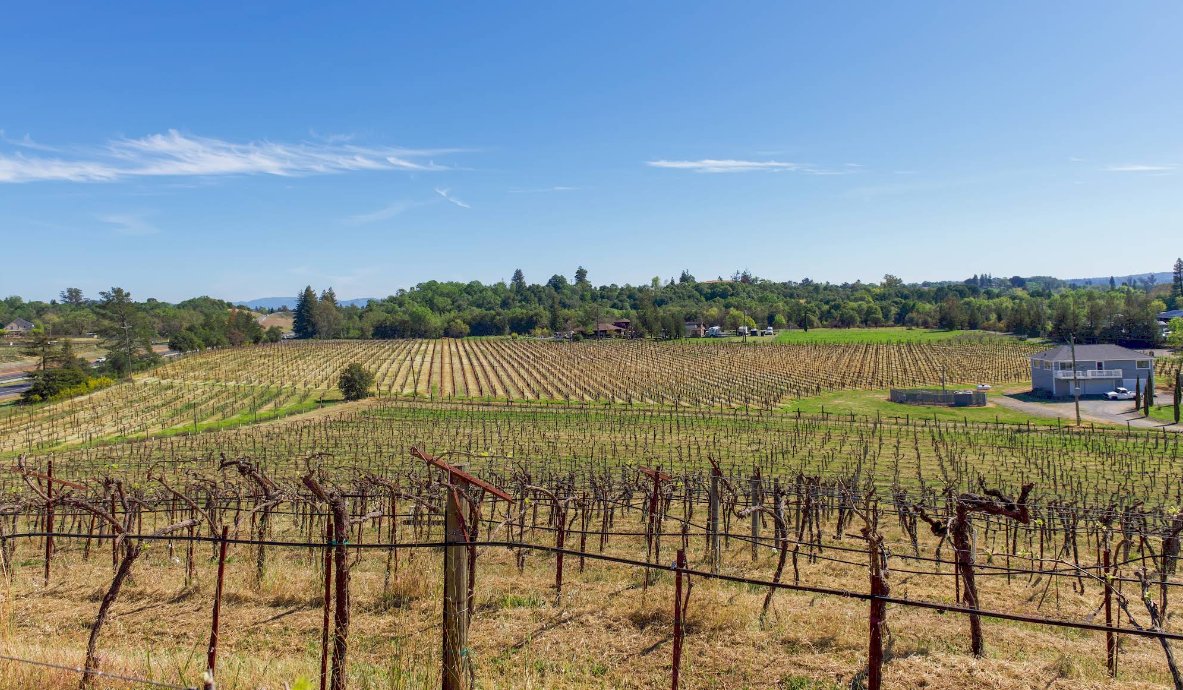
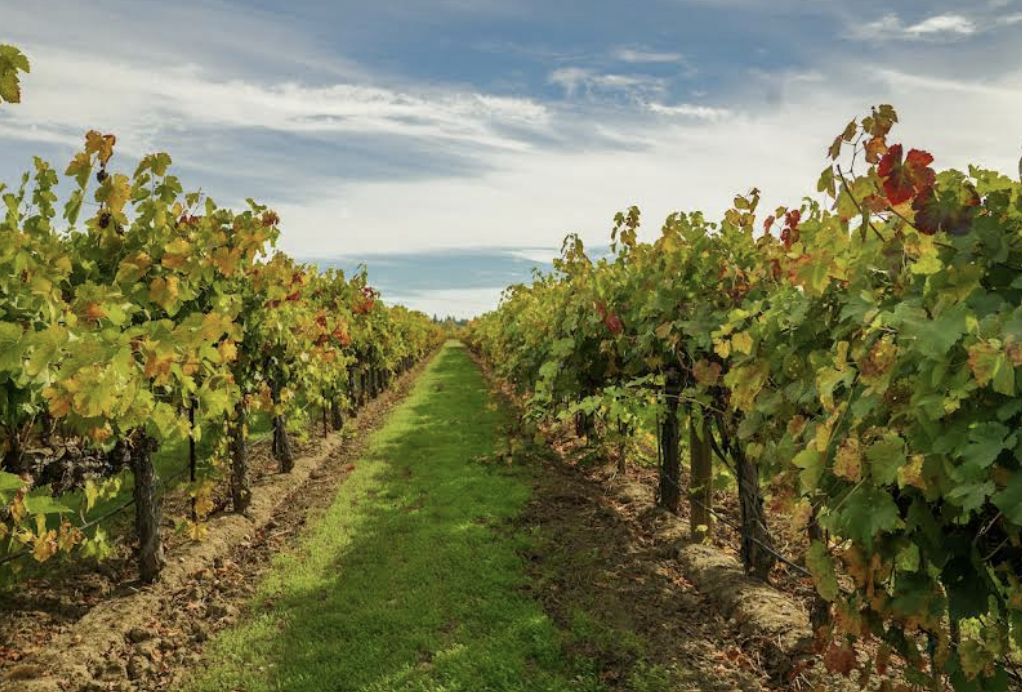
America's fifth-largest wine-producing state — 143+ wineries from the Hill Country's limestone ridges to the High Plains' mile-high vineyards, producing Tempranillo, Sangiovese, and Blanc du Bois with a Texas-sized personality.

143+Wineries
5Regions
8AVAs
$15–$40Tasting Fees
#5 US Wine StateRank

Premier Regions

Texas's most celebrated wine regions — the essential destinations for any wine country visit.
🍇
🤓 Did You Know?
Texas is the fifth-largest wine-producing state in the US, with over 400 vineyards under cultivation across the state.

About Texas Wine Country

Texas wine country has grown from a handful of pioneer producers into the fifth-largest wine industry in the United States — a trajectory driven by the Hill Country's booming tourism economy, the High Plains' agricultural ambition, and a population of 30 million Texans who have developed genuine enthusiasm for locally produced wine. The scale of the state means no single terroir defines Texas wine; instead, the diversity is the story.

The Hill Country between Austin and Fredericksburg is the state's largest and most visited region — Highway 290's wine corridor draws hundreds of thousands of visitors annually. The High Plains around Lubbock grows most of the state's highest-quality fruit at 3,300 feet elevation.

North Texas near Dallas-Fort Worth provides the state's most urban-accessible wine trail. East Texas and the Gulf Coast grow Blanc du Bois and heat-tolerant hybrids, while West Texas near Marfa produces wines in America's most dramatic landscape.

At a Glance
Total Wineries143+
AVAs8 federally designated
Signature GrapesTempranillo, Sangiovese
ClimateDiverse — arid to humid
Avg Tasting Fee$15–$40
Peak SeasonMarch–November
Largest RegionHill Country (85 wineries)
Nearest AirportsAustin (AUS), Dallas (DFW)

More Texas Wine Regions

North Texas near Dallas, the Gulf Coast's Blanc du Bois, and West Texas's dramatic high-desert estates.
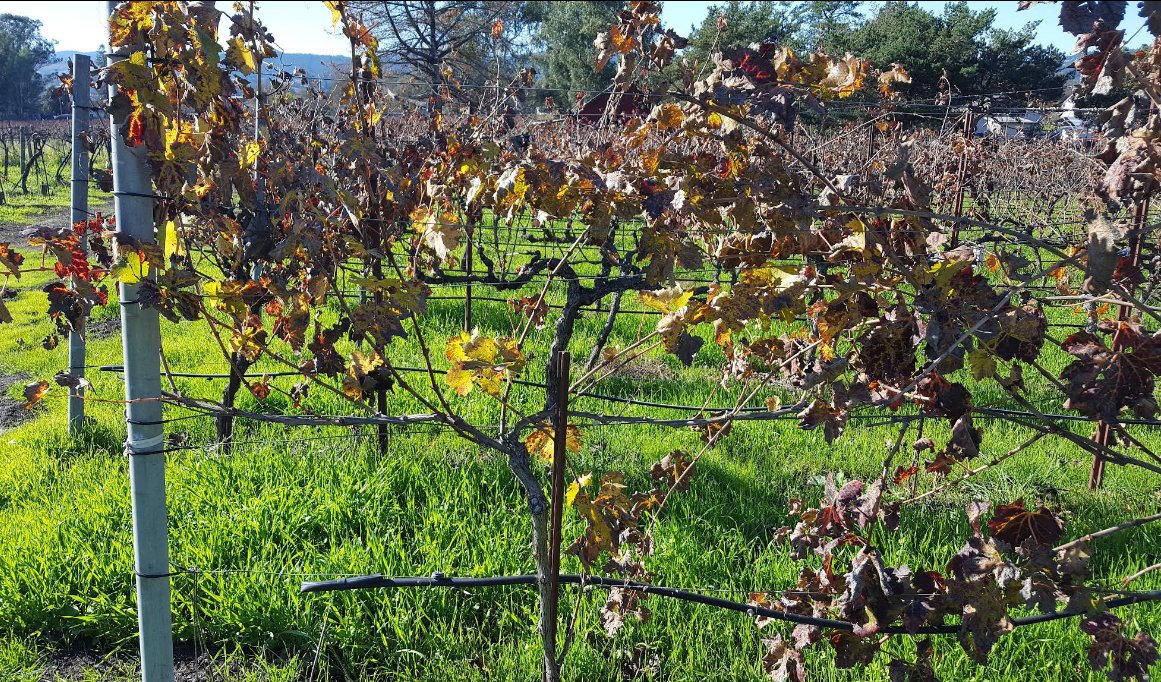
North Texas / Texoma wine country
🏙 DFW Access
North Texas / Texoma
12 wineries · 1 · $15–$30
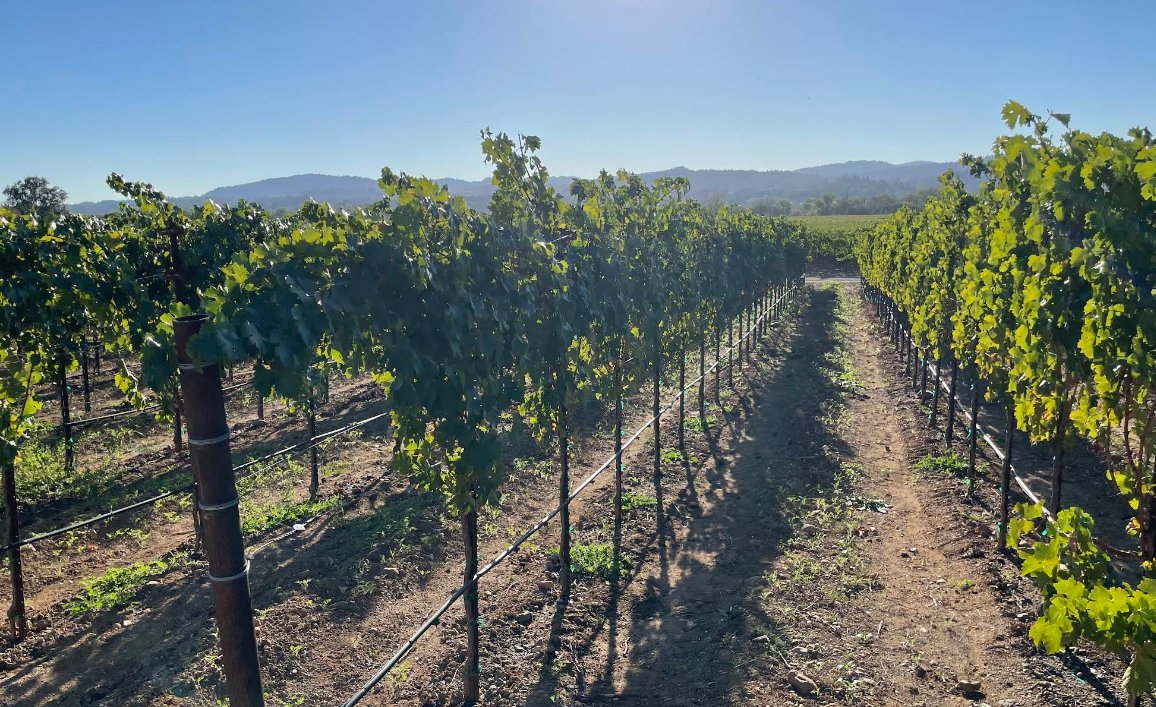
Grapevine, Denton, and Lake Texoma — the most urban-accessible Texas wine trail, drawing DFW's 7+ million residents.
Diverse varietals; urban + estate
Notable: Becker Vineyards (satellite), Delaney Vineyards
Explore North Texas / Texoma →
East Texas / Gulf Coast wine country
🌿 Humid Frontier
East Texas / Gulf Coast
8 wineries · 1 · $10–$25
Piney Woods and the Brazos Valley — Blanc du Bois and heat-tolerant hybrids in Texas's most challenging growing region.
Blanc du Bois, Black Spanish, hybrids
Notable: Messina Hof, Bernhardt Winery
Explore East Texas / Gulf Coast →
West Texas wine country
🌵 High Desert
West Texas
8 wineries · 1 · $15–$30
Marfa and the Davis Mountains — tiny production in America's most dramatic wine country setting.
Diverse high-desert varietals
Notable: Ste. Genevieve, Val Verde Winery
Explore West Texas →

Frequently Asked Questions

How many wineries does Texas have?
143+ wineries across 5 regions and 8 AVAs. The Hill Country between Austin and Fredericksburg has the most, with 85 estates on and near Highway 290.
What wines is Texas known for?
Tempranillo is the emerging signature red — it thrives in Hill Country and High Plains conditions. Sangiovese, Viognier, and Blanc du Bois are also important.
Best time to visit Texas wine country?
March through May and September through November. Summer is brutally hot in most regions. Spring wildflower season in the Hill Country is spectacular.
Which Texas wine region should I visit first?
The Hill Country — start in Fredericksburg, drive Highway 290, and plan 2–3 days. Most concentrated, most visitor-friendly, best infrastructure.