About Bull Lion Ranch Wine Shop
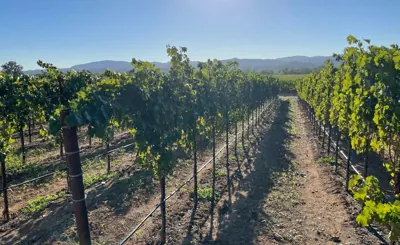
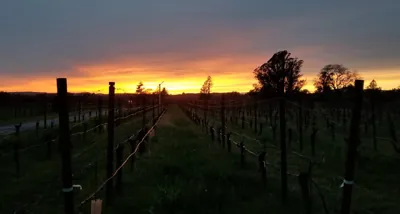
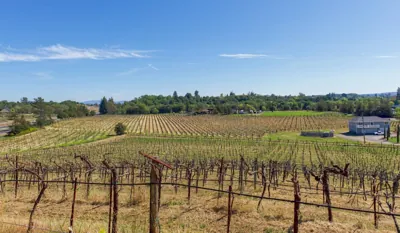
A visit to Bull Lion Ranch Wine Shop in Glen Rose works best when it is treated as its own experience rather than another pin on a Texas winery map. This is a vineyard- or estate-oriented winery experience, which gives travelers a much better sense of how to plan the stop and what to ask once they arrive. The working-farm character is a real part of the appeal. Look beyond the tasting flight and ask what is grown on the property, what fruit is sourced from other Texas regions and how the site influences the wines. If you can walk the vineyard, give the property the extra half hour rather than hurrying to the next winery.
Texas wine is spread across a state large enough that the tasting room and the vineyard supplying the grapes may be hundreds of miles apart. That is not a drawback; it is part of the story, and visitors get more from a tasting when they ask where the fruit was grown and how the winery approaches Texas sourcing. For a first visit to Bull Lion Ranch Wine Shop, focus on what makes the producer distinct right now. Ask what is pouring best today, whether the fruit is estate grown or trucked in from another Texas region, and which small-production bottle regulars quietly favour. Confirm today's hours and whether you need a reservation before setting off.
Kitchen hours, music nights, private bookings and seasonal closures all change what the visit feels like. Tasting flights, food options and individual bottles can change with season, staffing and inventory, so make one final check close to the visit. Few opening days and a busy event calendar both argue for phoning before you commit to the drive. The most rewarding way to approach the tasting is to let the staff guide you toward the wines that matter most to the producer today. Ask about Texas-grown fruit, current small-lot releases and any differences between what is poured at this location and what is made or grown elsewhere. Those details are usually more memorable than chasing a specific bottle from an old menu.