About Farmhouse Vineyards - Whitehouse Parker
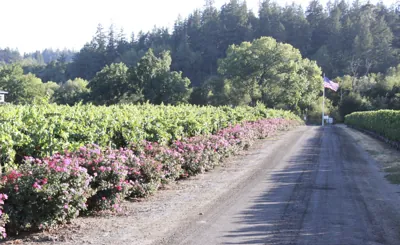
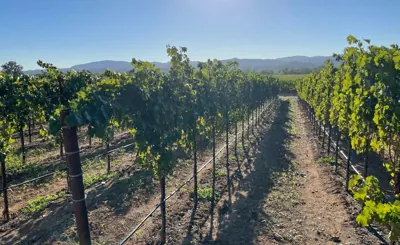
For visitors exploring Texas, Farmhouse Vineyards - Whitehouse Parker offers a useful contrast to the idea that every Texas winery visit looks the same. In its current Texas visitor location, the experience is a vineyard- or estate-oriented winery experience, so the appeal comes from matching the stop to the style of day you actually want. Part of the point is that the vines and the work behind them are right there. The flight is only part of it; ask about the estate plantings, the sourced fruit and what the site contributes. Where the vines are open to visitors, lingering beats squeezing in another stop.
The visitor location in the source data still needs cleanup, so this is a stop to research before routing a trip. The winery can remain part of a Texas wine itinerary, but an old address or map pin should not be treated as dependable until the current tasting location is confirmed. For a first visit to Farmhouse Vineyards - Whitehouse Parker, focus on what makes the producer distinct right now. Find out which wine the room is proudest of, whether the fruit is grown here or sourced elsewhere in Texas, and what regulars order that first-timers miss. Confirm the current public tasting location, hours and contact information before travel.
The older location data needs cleanup, so do not rely on a stale map pin. Flights, food and what is open by the bottle shift with the season and with whoever is pouring, so check once more before you set out. On a limited schedule, or when the property books events, a phone call can save a wasted drive. Rather than trying to taste everything, give the visit enough time to understand the producer. A few well-chosen pours, a conversation about grape sourcing and a sense of how this location fits the broader winery story will tell you more than a rushed flight. That is especially true in Texas, where the vineyard, production space and tasting room are not always in the same place.