In this article
America's First Great Wine Lover · Old World Meets New World · Building the Flight · How to Pour and Taste · A Toast to 250 YearsThe Fourth of July has always been about the cookout, the fireworks, and the people crowded around the table. This year the holiday carries a little more weight, because 2026 marks two hundred and fifty years since the founding of the country. It feels like the right moment to pour something with real intention, and to remember that one of the nation's Founders cared about wine as deeply as almost anyone alive today.
America's First Great Wine Lover
That Founder was Thomas Jefferson. Before he ever kept a cellar worth talking about, Jefferson sailed to France in 1784 and spent the better part of five years soaking up everything Europe could teach him about the table. He toured the vineyards of Bordeaux and Burgundy, took meticulous notes, and came home a genuine connoisseur at a time when most of his countrymen still drank fortified Madeira and port out of habit.
Jefferson saw wine as civilizing rather than indulgent. He believed a glass of good wine over a shared meal was one of life's true restoratives, and he lobbied hard to lower the tariffs that kept lighter table wines out of ordinary Americans' reach. One of his most quoted lines still lands today: “No nation is drunken where wine is cheap.” He wanted his countrymen to drink better, not more, and to treat wine as the natural companion of conversation and friendship.
Nearly every bottle in his Monticello cellar came from France. Two and a half centuries later, American wine has grown into something Jefferson could only have imagined, which sets up the most fitting possible way to toast the anniversary.
The Idea: Old World Meets New World
Instead of settling on one bottle, build a flight that puts France and America side by side. For each style, pour the European benchmark next to its American counterpart and taste them back to back. It is the most rewarding way to drink, because the contrast teaches you more in a single sip than a shelf of tasting notes ever could. The French wine shows you the tradition, and the American wine shows you what this country did with it. And it is worth remembering that France stood with the colonies during the Revolution, so pairing the two in a glass is its own small act of friendship.
Building the Flight
You do not need all of these. Pick three or four pairs that suit your crowd and your budget, and keep the pours modest so everyone stays with you through dessert.
Start with bubbles: Champagne and American sparkling
Open with a grower Champagne beside a traditional-method sparkler from Oregon, California, or even New Mexico. The French version brings that famous chalky, biscuity precision, while the American bottle tends to be a touch riper and more open. Both say celebration, which is exactly the point on the Fourth.
Whites, round one: white Burgundy and American Chardonnay
Set a village-level white Burgundy against a cool-climate Chardonnay from Oregon's Willamette Valley or California's Sonoma Coast. This is the classic showdown, and the gap has narrowed dramatically. Look for restraint on both sides, and notice how the American wine often carries a little more sunlit fruit while the Burgundy leans mineral and taut.
Whites, round two: Sancerre and American Sauvignon Blanc
For a brighter, herbal detour, pour a Loire Sancerre next to a Sauvignon Blanc from California or Washington. Both should crackle with citrus and cut grass, ideal for a hot afternoon and for anything coming off the grill.
Pinot Noir: red Burgundy and Oregon Pinot
No pairing is more telling than red Burgundy against Willamette Valley Pinot Noir. Oregon built its whole reputation chasing exactly this grape in exactly this style, and the best examples have earned their place beside Burgundy's finest. Expect red fruit, earth, and a silky lift on both, with the Oregon bottle usually a shade more generous.
The big reds: Bordeaux and American Cabernet
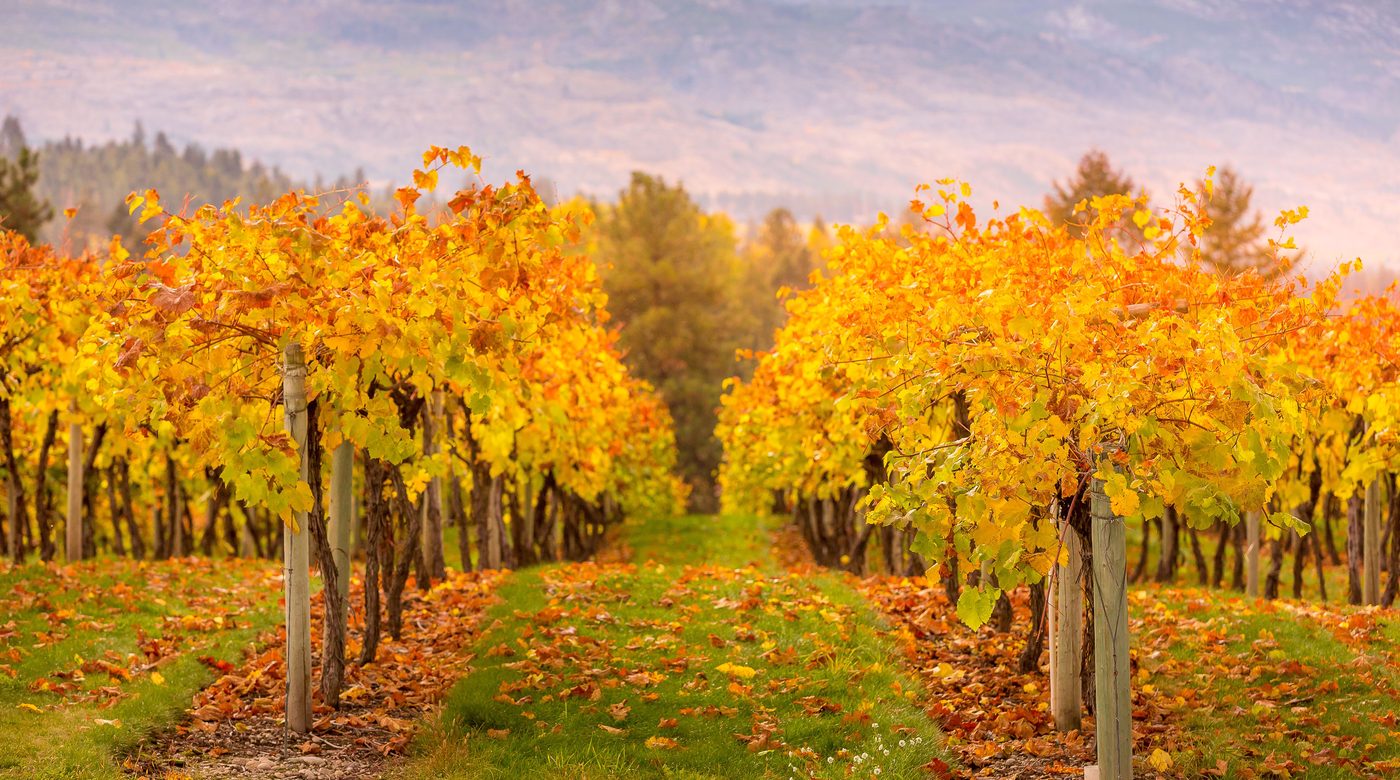
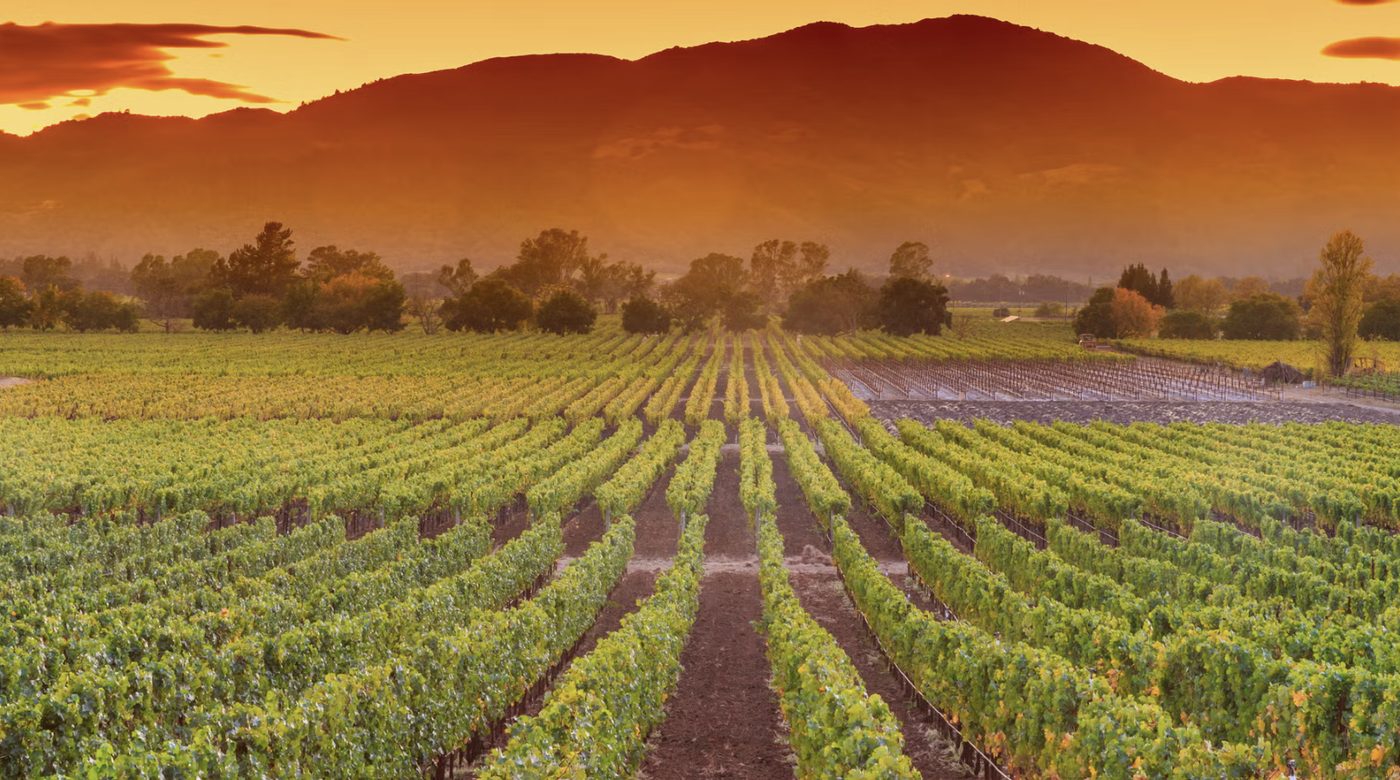
Pour a Left Bank Bordeaux beside a Cabernet or Bordeaux-style blend from Napa Valley or Washington's Red Mountain. This is the muscle of the flight. The Bordeaux tends toward cedar, graphite, and reserve, while the American reds answer with darker fruit and a warmer, more open embrace. Perfect with a burger or a ribeye straight off the coals.
Rhone to finish: Northern Rhone and Washington Syrah
Close with a Northern Rhone Syrah or a Chateauneuf-style blend next to a Syrah from Washington's Walla Walla Valley or a GSM from California's Central Coast. Washington in particular has become one of the most exciting Syrah addresses in the world, all smoked meat, black pepper, and blue fruit. It is a bold, savory way to send the flight off.
How to Pour and Taste
Keep it simple. Pour the two wines of each pair at the same time, in the same kind of glass, and taste them one after the other before anyone says a word. If you want a little theater, cover the labels and let everyone guess which is which, because the American wines fool people more often than they used to. Give each person a small pour, refill only for the pairs they love, and keep water and something to snack on within reach the whole time.
The goal is not to crown a winner. It is to notice the differences, argue about them happily, and drink a little less while enjoying it a lot more. That was Jefferson's whole idea in the first place.
A Toast to 250 Years
So this Fourth of July, whether you open two bottles or six, choose the good stuff and share it with people you like. Raise the first glass to the country at two hundred and fifty, and the second to that unlikely friendship, French and American, that helped make it and still tastes so good side by side. Happy Fourth from all of us at Wino Notion, your window into the wineries.