About Texas Heritage Vineyard
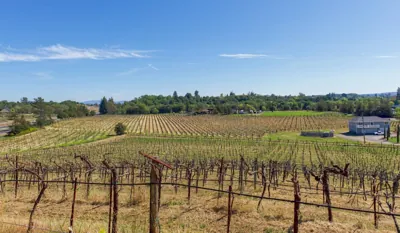
A visit to Texas Heritage Vineyard in its current Texas visitor location works best when it is treated as its own experience rather than another pin on a Texas winery map. This is a vineyard- or estate-oriented winery experience, which gives travelers a much better sense of how to plan the stop and what to ask once they arrive. The working-farm character is a real part of the appeal. Beyond the flight itself, ask what grows here, what arrives from elsewhere in Texas, and how this particular site shapes the wine. When the property invites you into the vines, that time is usually better spent than another tasting.
The visitor location in the source data still needs cleanup, so this is a stop to research before routing a trip. The winery can remain part of a Texas wine itinerary, but an old address or map pin should not be treated as dependable until the current tasting location is confirmed. For a first visit to Texas Heritage Vineyard, focus on what makes the producer distinct right now. Ask where the fruit comes from, which wine best shows the house style, and what the regulars know to request. Confirm the current public tasting location, hours and contact information before travel.
The older location data needs cleanup, so do not rely on a stale map pin. Expect the flight and the food to move with the season and the staffing, and check the current version before your visit. On a limited schedule, or when the property books events, a phone call can save a wasted drive. For the best visit, arrive with one or two questions in mind instead of simply asking for the sweetest or boldest wine on the list. Find out which pours the team believes best represent the winery right now, where those grapes were grown and what has changed with the current vintage. That turns the stop from a generic tasting into a more useful look at this producer's place in Texas wine.