About Yepez Vineyard
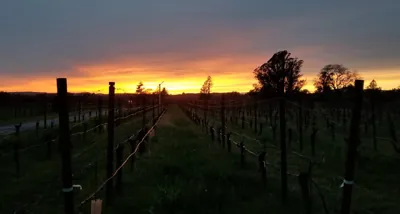
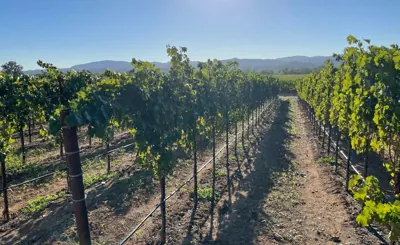
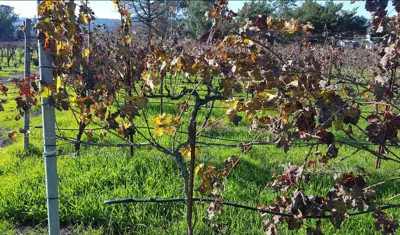
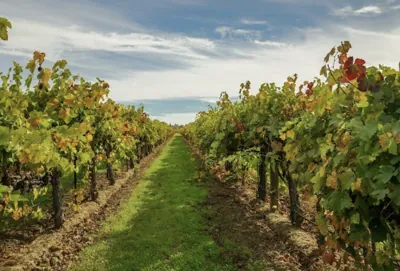
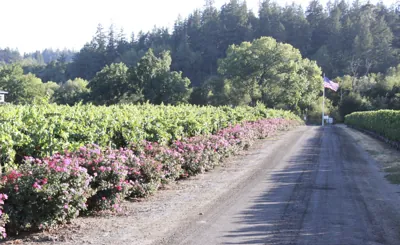
A visit to Yepez Vineyard in its current Texas visitor location works best when it is treated as its own experience rather than another pin on a Texas winery map. This is a vineyard- or estate-oriented winery experience, which gives travelers a much better sense of how to plan the stop and what to ask once they arrive. Part of the point is that the vines and the work behind them are right there. Look beyond the tasting flight and ask what is grown on the property, what fruit is sourced from other Texas regions and how the site influences the wines. When vineyard access is part of the experience, leaving extra time for the property is usually more rewarding than rushing to the next stop.
The visitor location in the source data still needs cleanup, so this is a stop to research before routing a trip. The winery can remain part of a Texas wine itinerary, but an old address or map pin should not be treated as dependable until the current tasting location is confirmed. For a first visit to Yepez Vineyard, focus on what makes the producer distinct right now. Ask what is pouring best today, whether the fruit is estate grown or trucked in from another Texas region, and which small-production bottle regulars quietly favour. Confirm the current public tasting location, hours and contact information before travel.
The older location data needs cleanup, so do not rely on a stale map pin. Expect the flight and the food to move with the season and the staffing, and check the current version before your visit. Few opening days and a busy event calendar both argue for phoning before you commit to the drive. Rather than trying to taste everything, give the visit enough time to understand the producer. A few well-chosen pours, a conversation about grape sourcing and a sense of how this location fits the broader winery story will tell you more than a rushed flight. That is especially true in Texas, where the vineyard, production space and tasting room are not always in the same place.