In This Guide
Every year, millions of people visit Napa Valley and come home with the same two reactions: "That was the most beautiful place I've ever been" and "I spent how much?" If you're planning your first trip, this guide is designed to help you have the first experience without the second surprise.
Napa Valley is 35 miles long and 5 miles wide. It contains more Michelin-starred restaurants per capita than almost anywhere in America. Its Cabernet Sauvignon routinely sells for $200-$400 a bottle. And yet, with the right planning, you can have an extraordinary first visit for a reasonable amount of money, see the best the valley has to offer, and actually understand what makes it special.
Most Napa mistake lists run on anecdotes. This one runs on data: in July 2026 we verified tasting room hours, reservation policies, price tiers, and pet policies for all 684 Napa Valley wineries in the Wino Notion catalog. The patterns are unambiguous, and a few of them contradict what first-time visitors assume. Here is what the numbers say to avoid.
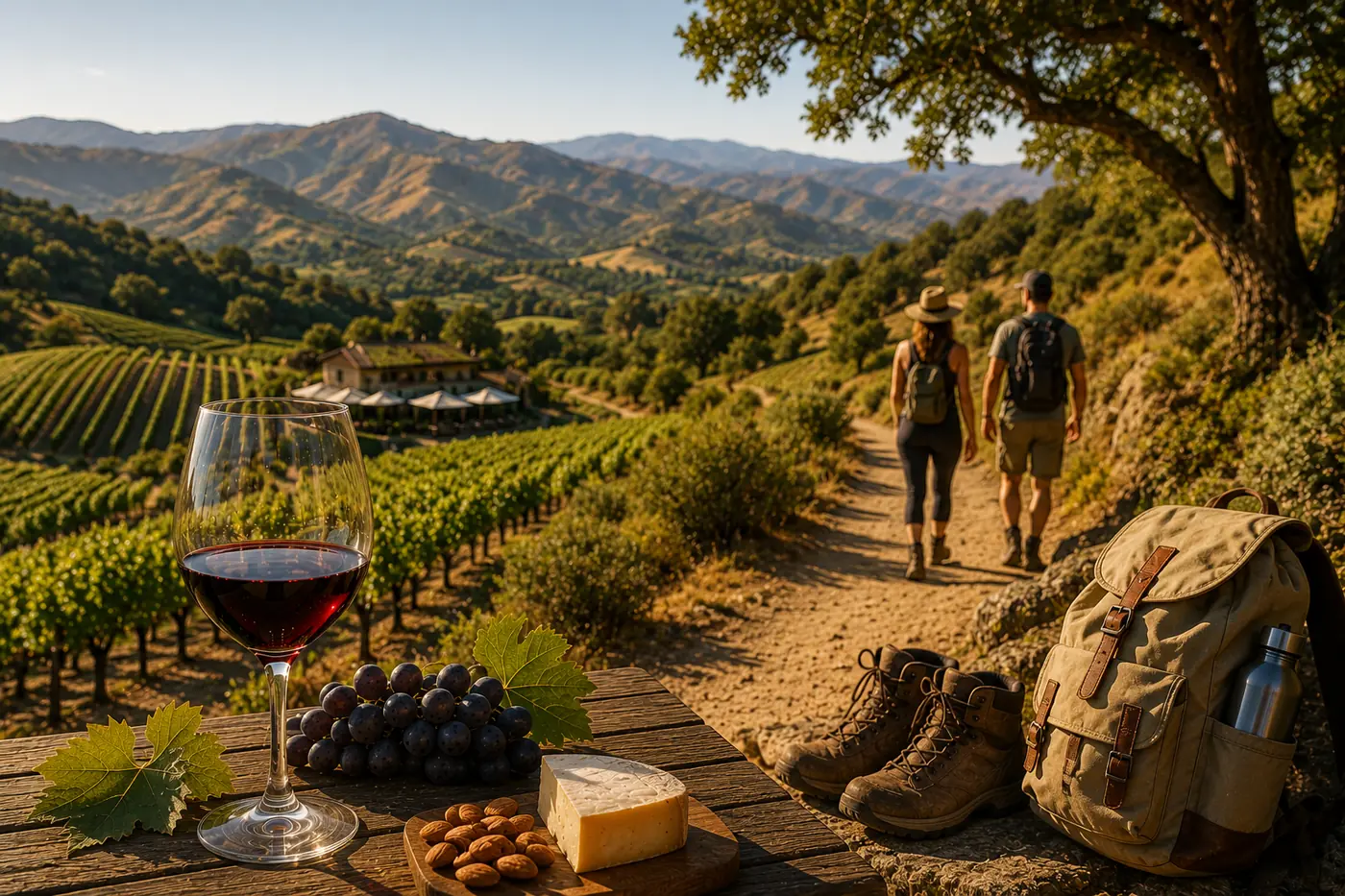
The same geology that makes the Central Coast great for wine - mountains meeting ocean, ridgelines catching fog - makes it great for hiking. The smartest wine-country day runs in one direction: earn the tasting on a trail first, then descend to a room pouring wine grown on the very slopes you just climbed. Seven pairings, north to south, with every winery linked to its verified page.
1. Skyline Ridge Preserve + the Santa Cruz Mountains pioneers
Above Silicon Valley, Skyline Ridge Preserve offers more than 2,000 acres of ridge trails between the Bay and the Pacific. The reward sits one ridge over: Ridge Vineyards at Monte Bello, the estate that pioneered California high-elevation winegrowing in 1959 (appointment-only, library options), and Thomas Fogarty Winery five minutes from the trailheads with Bay views and ethereal single-vineyard Pinot and Chardonnay.
2. The Forest of Nisene Marks + Santa Cruz county tasting rooms
From sea level behind Aptos to 2,500 feet of redwoods, Nisene Marks climbs past mill ruins and the Loma Prieta epicenter. Afterward: Sante Arcangeli in Aptos pours its ocean-view Split Rail Vineyard wines, Madson Wines on Santa Cruz’s Swift Street serves summit-farmed Ascona bottlings, and up in Bonny Doon, Beauregard Vineyards turns ocean-blasted mountain fruit into thrilling reds and whites.
3. Garland Ranch + Carmel Valley Village
Garland Ranch Regional Park runs from the Carmel River to oak savannah atop the Santa Lucias - a full elevation tour in one park. Taste in Carmel Valley Village afterward: Pelio Estate pours ridge-grown Pinot and Chardonnay from the proposed Carmel Coast appellation, Albatross Ridge in Carmel-by-the-Sea bottles its earliest expressions, and I. Brand and Family serves high-Cachagua fruit right in the village.
4. Pinnacles National Park + Mt. Harlan limestone
Rock spires, talus caves, and condors make Pinnacles the Central Coast’s wildest day out. The wine match is Calera, founded in 1974 at 2,200 feet on Mt. Harlan by the late Josh Jensen, who scoured California for true limestone; Mike Waller, his winemaker since 2007, continues the Pinot obsession. In the valley below, Eden Rift (tastings up to helicopter fly-ins) and DeRose pour from ground planted 150 years ago, including near-forgotten Cabernet Pfeffer.
5. Gaviota State Park + the Santa Ynez heights
Where the Santa Ynez Valley hits the ocean, Gaviota offers wind-cave scrambles and the Gaviota Peak climb past hot springs. Five minutes away, Folded Hills serves knoll-grown Rhones from a farmhouse off the 101; deeper in the valley, Zaca Mesa’s Rhone blocks approach 1,400 feet, Beckmen farms biodynamic Purisima Mountain Syrah at 1,250 feet, and in the Sta. Rita Hills, Spear and The Hilt pour true hillside wines.
6. Cerro Alto Loop + York Mountain
Cerro Alto packs 1,600 feet of gain into under five miles of Los Padres National Forest, with panoramic Estero Bay views at the top. A few miles north sits York Mountain - home of the Central Coast’s first bonded winery, 1882 - where Epoch Estate Wines pours Jordan Fiorentini’s lush Rhones from a refurbished historic barn at 1,500 feet.
7. Valley View Preserve + Ojai
An easy-to-moderate climb above Ojai’s citrus-scented valley, then straight into town: The Ojai Vineyard pours current and library Syrah from Roll Ranch, grown 1,000 feet above the valley floor. It is the smallest pairing on this list and maybe the most complete afternoon.
Trail-to-tasting logistics: hike early (tasting rooms fill after 1 pm), confirm hours and reservation policies on each winery’s page before driving - appointment-only is common at the mountain estates - and designate the driver before the first pour, not after. Build the full day in our trip planner.
Frequently Asked Questions
Can you hike and wine taste in the same day in California?
Yes - the Central Coast is built for it. Pair a morning trail with an afternoon tasting nearby: Skyline Ridge with the Santa Cruz Mountains wineries, Pinnacles with Mt. Harlan, Gaviota with the Santa Ynez Valley. Hike early and confirm winery hours and reservation policies first.
Do mountain wineries require reservations?
Frequently. High-elevation estates like Ridge’s Monte Bello are appointment-only, and many small mountain producers taste by appointment. Check each winery’s verified page for reservation policy before building the day.
What should you bring on a hike-and-taste day?
Water and sun protection for the trail, a change of shoes for the tasting room, and a designated driver decided in advance. Morning hikes plus early-afternoon tastings beat crowds at both.
More from our data desk: the Highway 1 coastal wine road trip and wine country with kids.