In This Guide
Sonoma County is not one wine region. It's seventeen, each with its own AVA designation, its own climate, its own signature grape varieties, and its own visitor experience. The county stretches from the Pacific coastline through fog-filled valleys to warm inland plains, encompassing growing conditions that range from genuinely cool-maritime to uncomfortably hot in summer.
Navigating Sonoma County effectively requires choosing which sub-region (or combination of sub-regions) matches what you actually want to drink and experience. This guide breaks it down by the six areas that matter most for visitors.
Why Sonoma County Is California's Most Diverse Wine Region
The geography that makes Sonoma so diverse is the same geography that makes it complex: the county's coastline, river valleys, and mountain ranges create dozens of distinct microclimates within a 1,768-square-mile area. Pacific fog flows inland through river gaps, moderating temperatures in the valleys closest to the ocean while leaving the eastern Alexander Valley largely fog-free and warm.
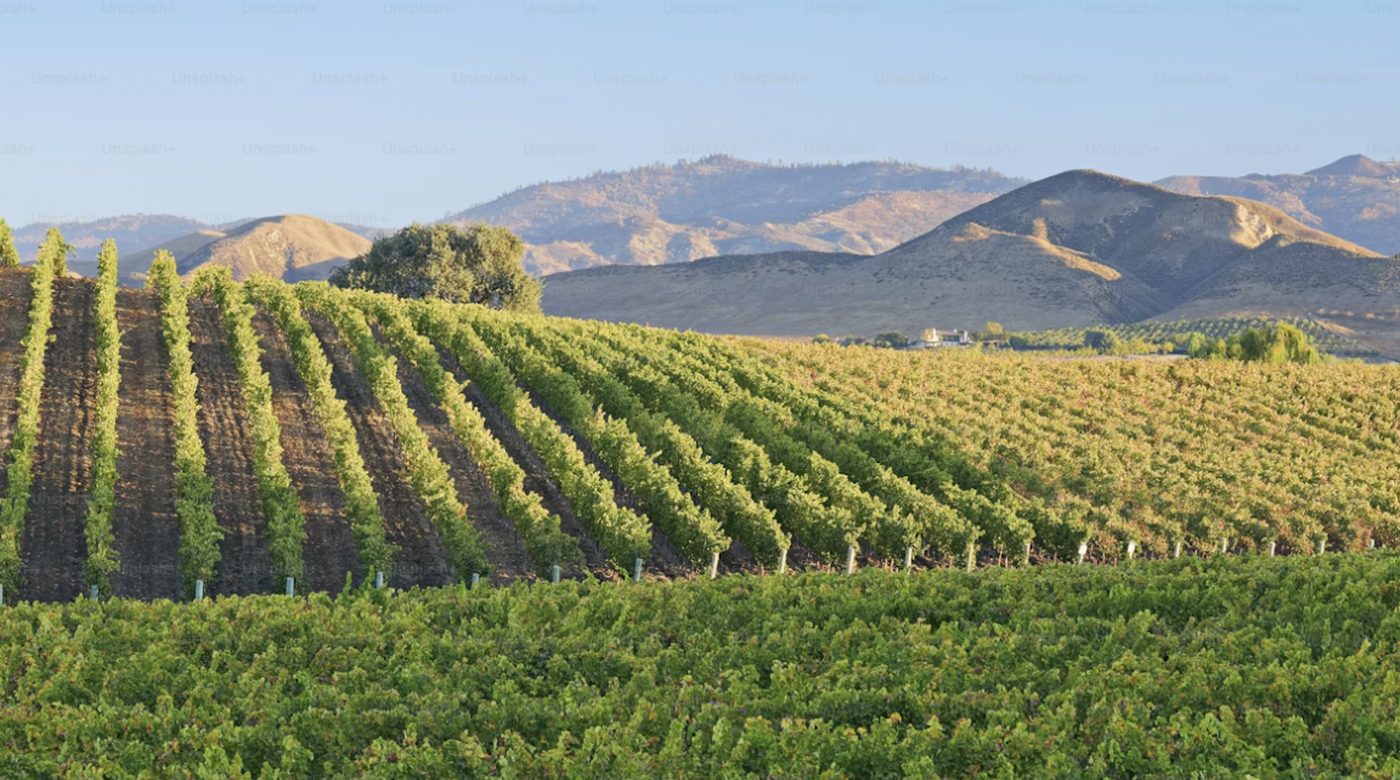
This means Sonoma's winemakers work with an extraordinary range of conditions. A Pinot Noir from the True Sonoma Coast (within miles of the Pacific) and a Cabernet Sauvignon from the Alexander Valley (inland, warm, fog-rare) are both "Sonoma County" wines that taste nothing like each other, and both can be exceptional expressions of their respective varieties.
Russian River Valley, Pinot Noir & Chardonnay
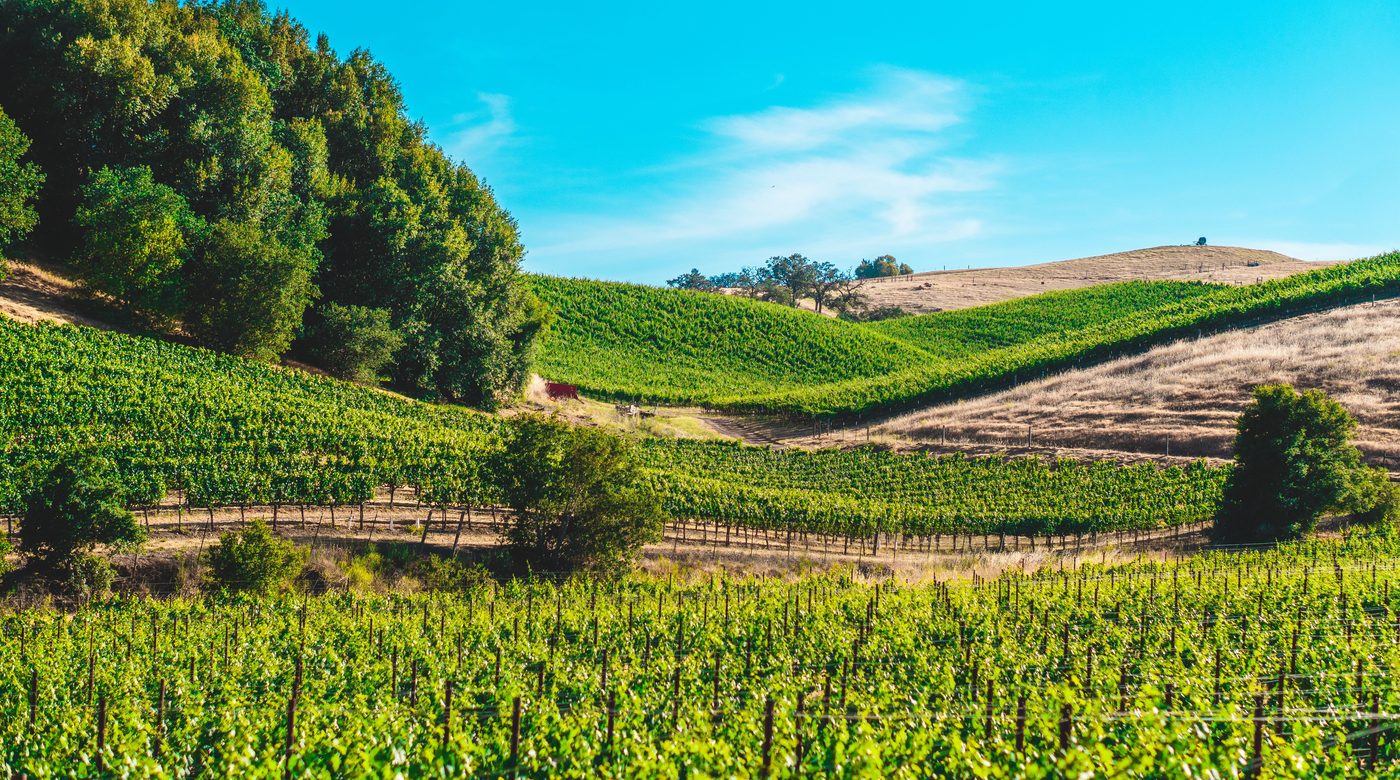
The Russian River Valley is where Sonoma County built its international reputation for Pinot Noir. The river corridor cuts through the coastal hills, pulling Pacific fog inland each evening to create the cool-night, warm-day growing conditions that Pinot Noir requires. The Goldridge sandy loam soil, infertile, well-drained, and mineral-rich, concentrates flavors while maintaining the natural acidity that makes Russian River Pinot distinctive.
Dry Creek Valley, Zinfandel Country
Dry Creek Valley is Sonoma County's most warmly embraced wine tourist destination and the spiritual home of California Zinfandel. The valley is narrow, beautiful, and navigable, the main Dry Creek Road runs its full length and most of the significant wineries are within a few miles of each other. The benchland soils on the valley's eastern and western edges produce Zinfandel of genuine distinction: spicy, structured, and capable of aging for a decade.
Alexander Valley, Cabernet & Chardonnay
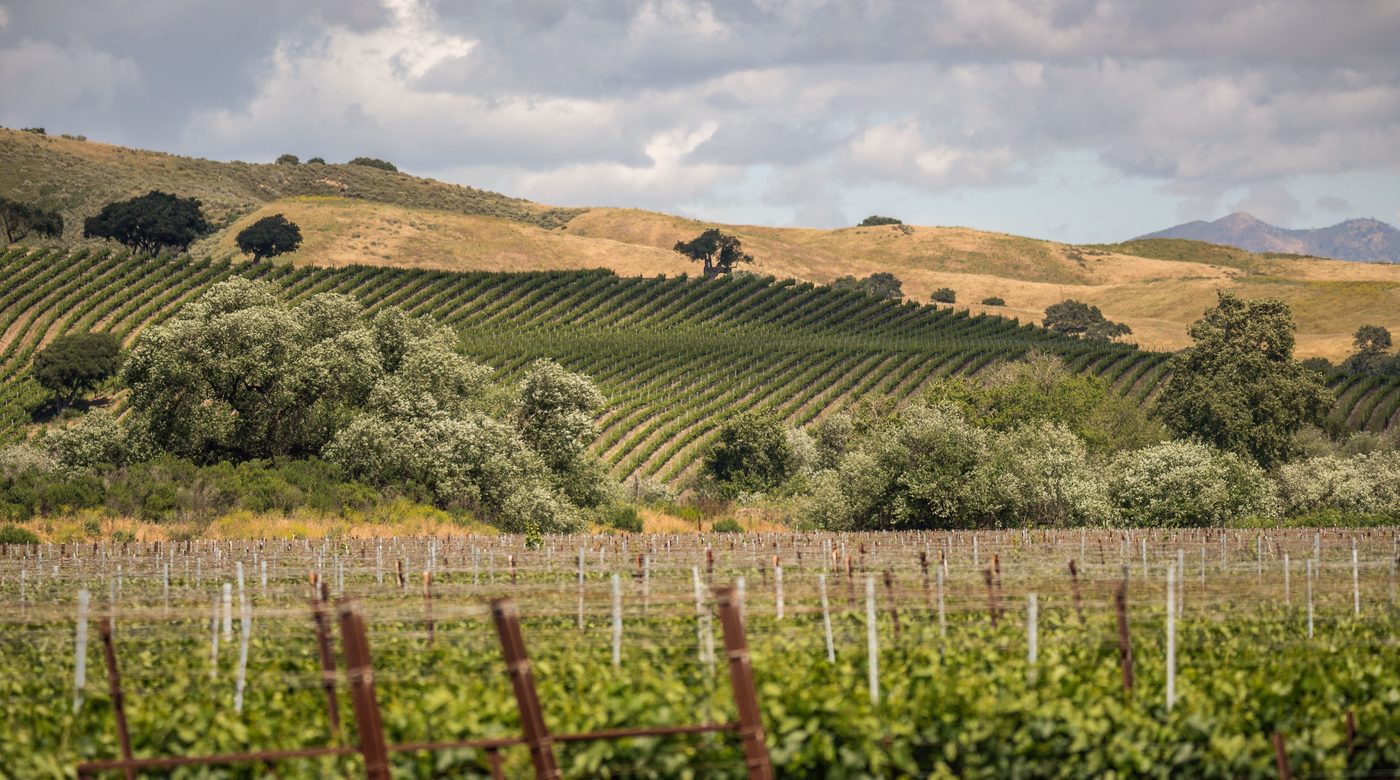
Alexander Valley is Sonoma County's warmest major wine region, a long, sun-bathed valley where Cabernet Sauvignon and Chardonnay thrive in conditions quite different from the fog-influenced regions to the west. The wines are riper and more generous than Dry Creek or Russian River equivalents, with a warmth and accessibility that makes Alexander Valley Cabernet California's best value in the $30-$60 range.
Sonoma Coast, Extreme Maritime Wines
The True Sonoma Coast, the extreme western edge of Sonoma County, within a few miles of the Pacific Ocean, produces California's most demanding and most distinctive Pinot Noir and Chardonnay. The conditions are genuinely difficult: constant fog, cold temperatures, strong Pacific winds, and a growing season that can extend into November.
Sonoma Valley, History & Diversity
Sonoma Valley runs south from the town of Sonoma through Glen Ellen to Kenwood, offering a mix of historic estates, casual tasting rooms, and some of California's most visitor-friendly wine country. This is where California's commercial wine industry began, at Buena Vista Winery (founded 1857), and where Jack London wrote his Wine Country novels.
Planning Your Sonoma Visit
Base camp: Healdsburg for Dry Creek, Russian River, and Alexander Valley. Sonoma town for Sonoma Valley and Carneros.
Getting around: A car is essential. The sub-regions are spread across a large county and public transit options are limited.
Season: Spring and early summer for uncrowded tasting rooms and green hills. Fall harvest season (September-October) for atmosphere and excitement but larger crowds.
Tasting fees: Budget $20-$40 per person per winery. Most estates waive fees with a bottle purchase.
Wino Notion has profiles on over 400 Sonoma County wineries across all sub-regions. Search by region, variety, or tasting style to build your itinerary.